
Kevin Coward
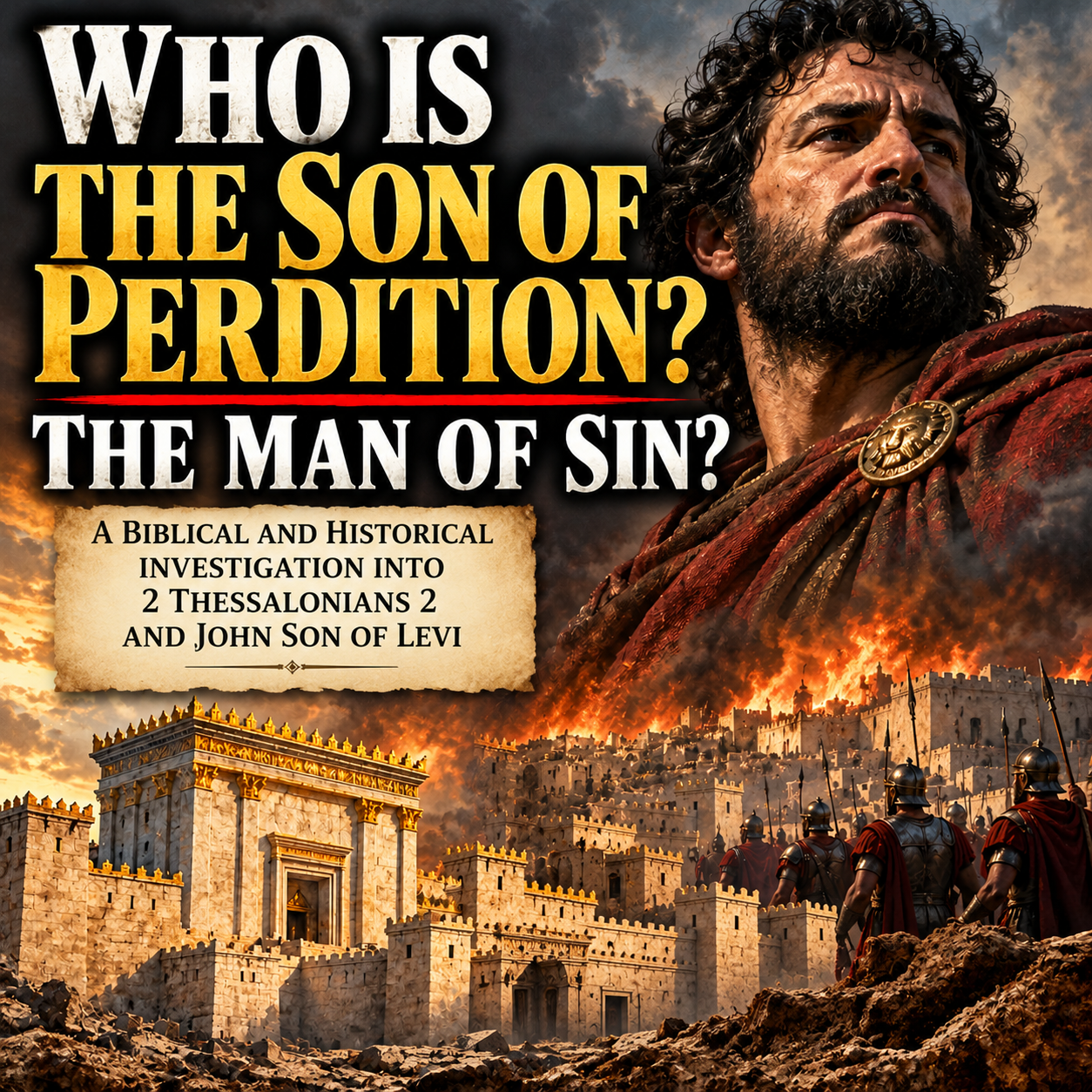
For generations, the man of sin and son of perdition in 2 Thessalonians 2 has been portrayed as a future world ruler. But what if Paul was describing someone connected to the events leading to Jerusalem’s destruction in AD 70? Could John son of Levi, also known as John of Gischala, be the man Paul warned about? By examining Scripture, Greek word meanings, and the historical writings of Josephus, we uncover a compelling first-century connection between the man of sin, the Temple, and the coming of Christ in judgment.
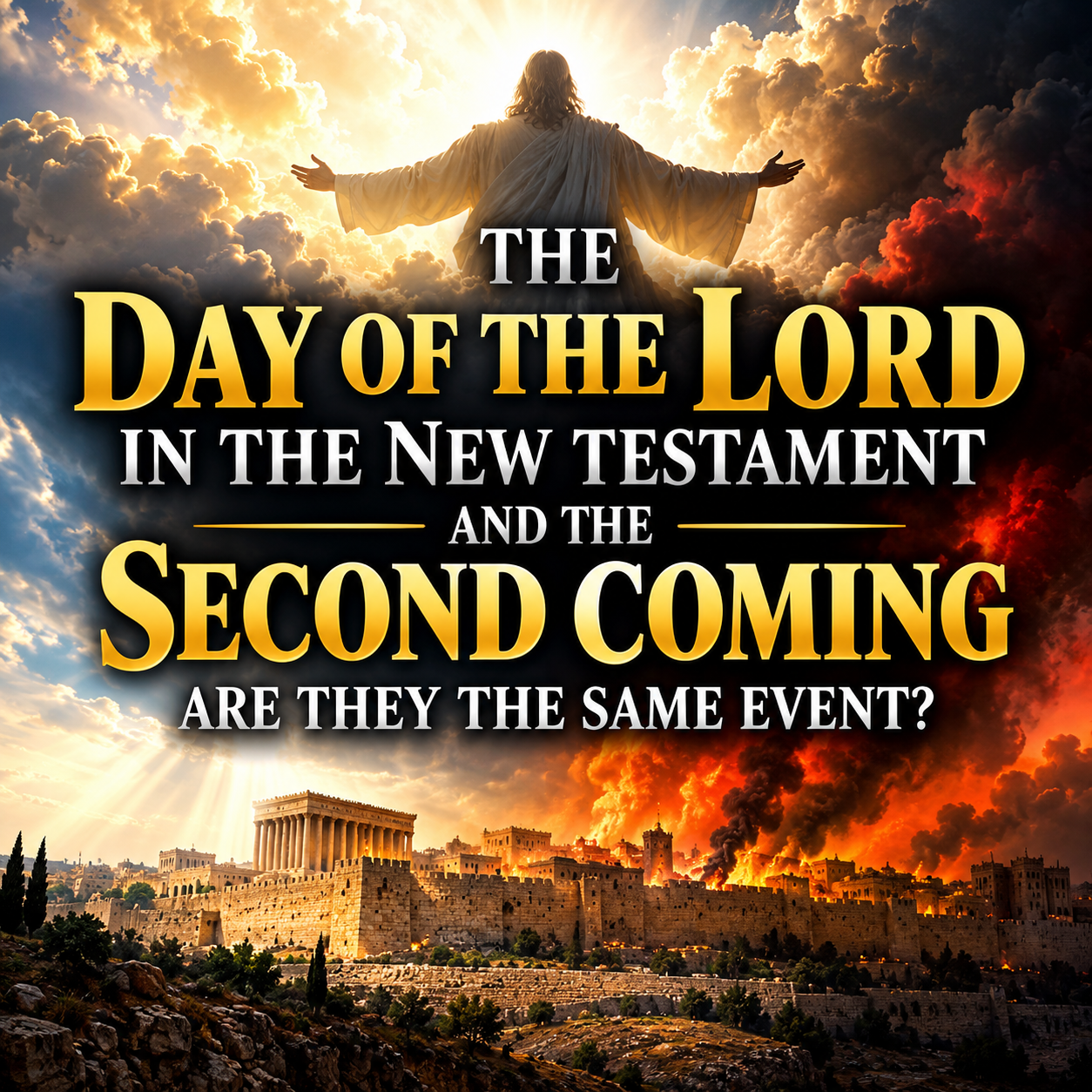
Are the Day of the Lord and the Second Coming of Christ two separate events, or were Jesus and the apostles describing the same approaching judgment? By examining the prophetic language of the Old Testament alongside the teachings of Jesus, Paul, Peter, and John, we discover a remarkable connection. Could these passages be pointing to one climactic fulfillment in AD 70, when Jerusalem was judged and the old covenant age came to an end?

Who is the god of this world? Was Paul describing a supernatural fallen being ruling over the earth, or the religious powers operating during the final days of the Old Covenant age? By examining the Scriptures in their historical and covenantal context, we uncover the connection between the Jewish religious leadership, the veil of spiritual blindness, and the passing of the Old Covenant administration as the New Covenant was being established in Christ.

Does the Bible teach a temporary Church Age followed by a future Kingdom Age? Explore the seven dispensations, God’s biblical covenants, and how their promises find fulfillment in Jesus Christ. Discover why I believe we are already living in His everlasting New Covenant kingdom.

The Kingdom of God, the New Covenant, the New Jerusalem, Mount Zion, and the New Heaven and New Earth are closely connected in Scripture, but do they all mean the same thing? By examining Hebrews 12, Galatians 4, Isaiah 65, and Revelation 21, we discover how each reveals a distinct aspect of God’s fulfilled redemptive plan through Jesus Christ. These are not promises awaiting a future fulfillment, but covenantal realities established through Christ.

Is the kingdom of God a place we go after death, or a present reality we inherit through faith in Jesus Christ? Scripture reveals that the kingdom was being received during the first-century transition from the Old Covenant to the New. When Paul declared that flesh and blood could not inherit the kingdom, was he speaking of physical death or covenantal inheritance? Discover how natural ancestry, the Mosaic Law, and the works of the flesh relate to God’s promise, and why righteousness through faith, not human behavior or religious heritage, establishes our inheritance in Christ.

Who were the stones John the Baptist spoke of in Matthew 3:9? For years, I accepted the traditional interpretation without question. But a closer examination of John’s audience, the Old Testament prophets, and the meaning of “raise up” reveals an intriguing possibility. Could these stones represent something entirely different from what we’ve always been taught?

One of the greatest fears I have encountered among Christians is the fear of being deceived. I have talked with people who are genuinely afraid to question what they have been taught because they believe that entertaining a different understanding of Scripture could lead them away from the truth.

The last days were not the final days of planet Earth, but the closing days of the Old Covenant age.

I have watched people come in, listen, ask questions, and genuinely become excited about what they were learning. I have watched them wrestle with passages they had always been taught belonged to our future and begin seeing those passages in their first-century context.
One of the most sincere questions I have heard since embracing fulfilled eschatology is this: If the prophecies concerning the coming of Christ have been fulfilled, what are we hoping for now?
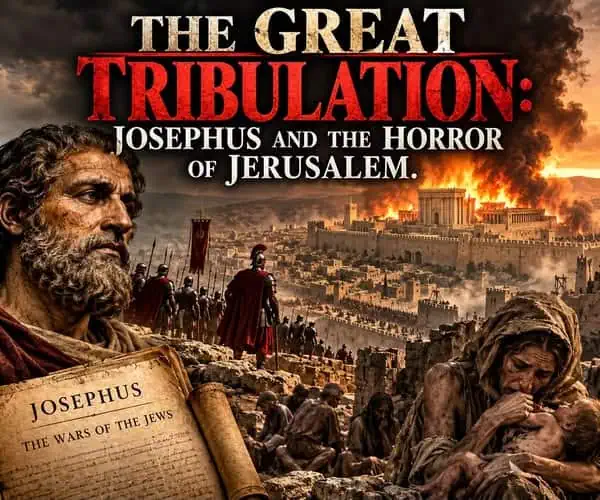
Enemies would come against Jerusalem. They would surround her. They would construct a fortification around her. The inhabitants would be shut in on every side.
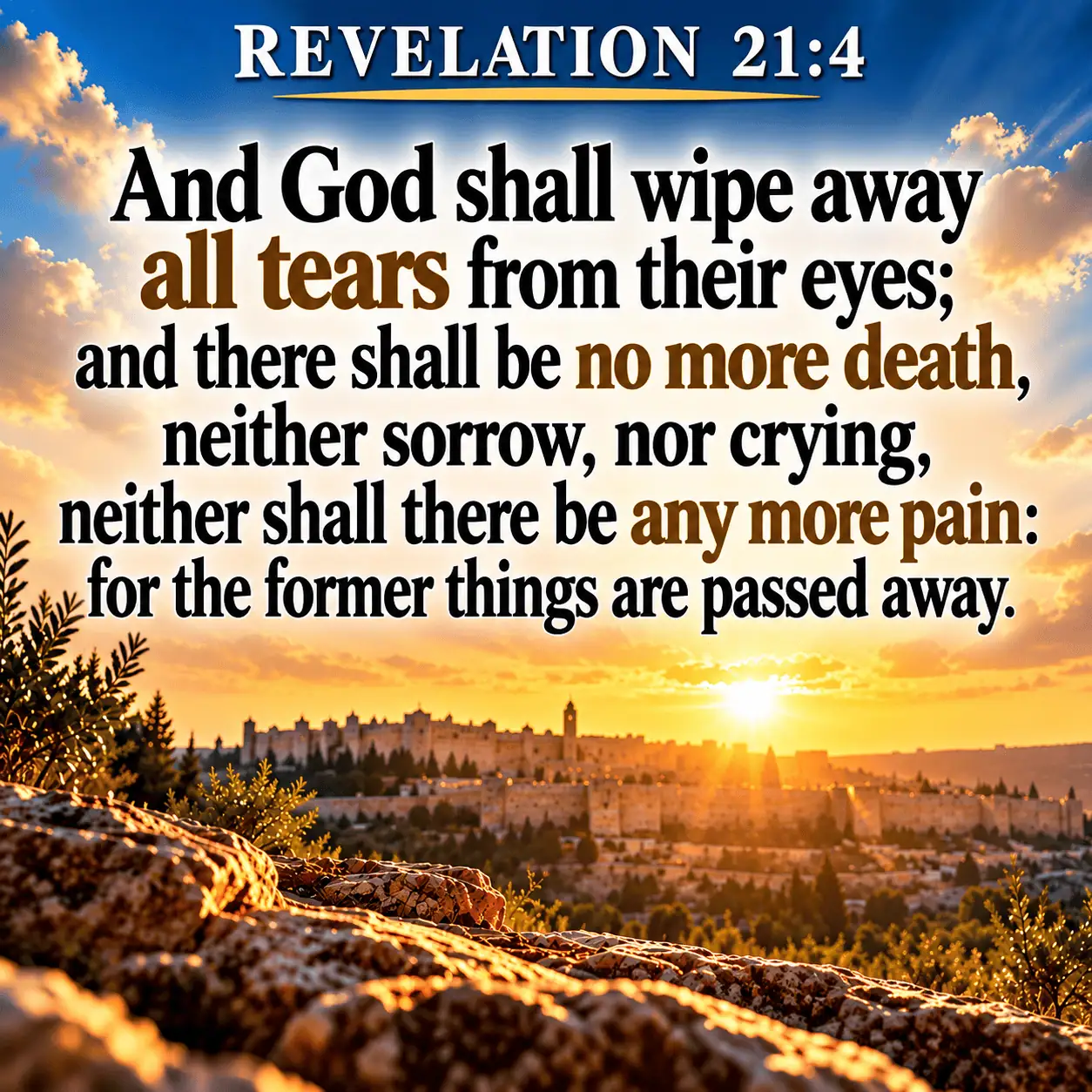
When many people read Revelation 21, they immediately picture the destruction of planet Earth followed by God creating another physical universe. But Revelation was not written in a vacuum.
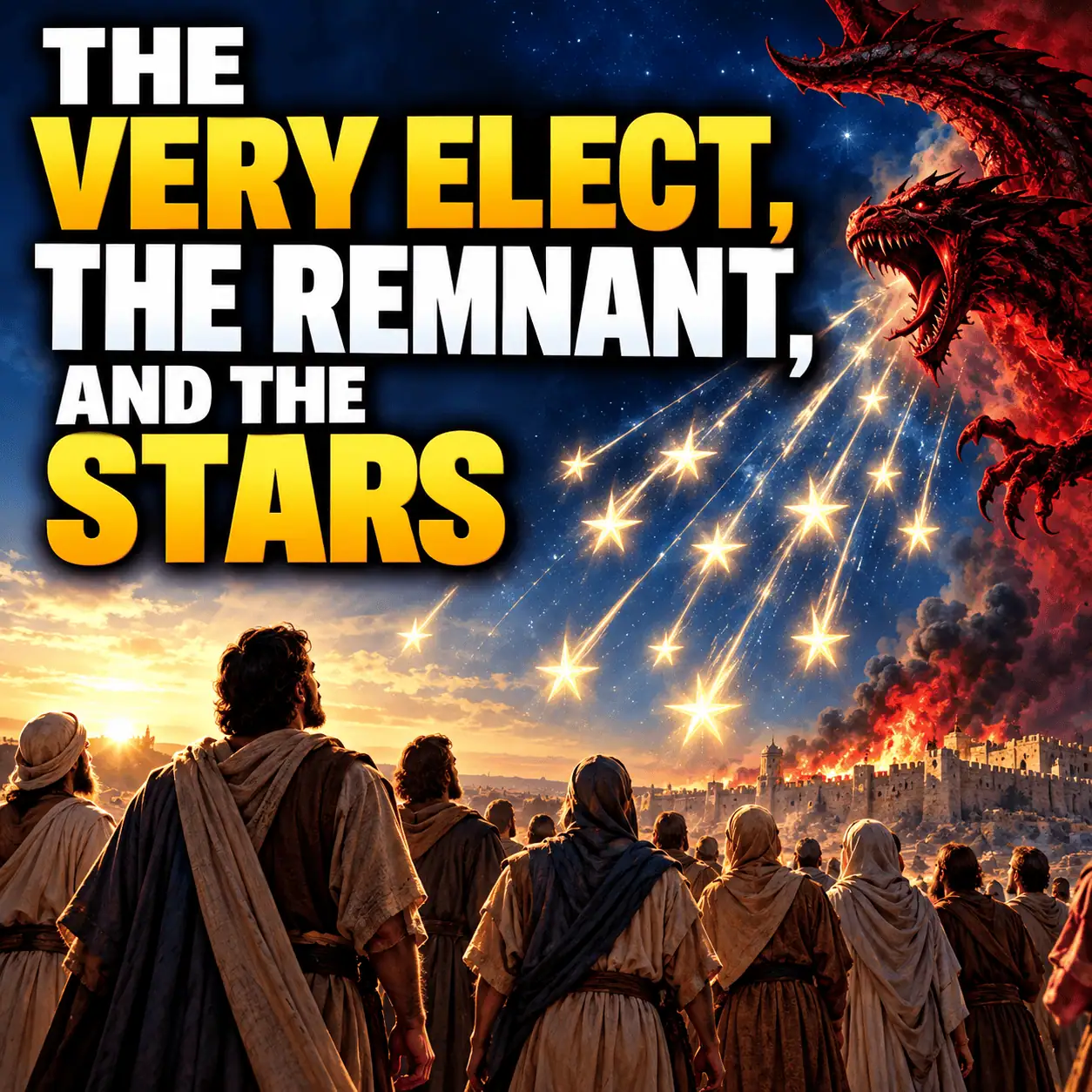
One of the most familiar interpretations of Revelation 12 is that the dragon drawing a third of the stars from heaven describes Satan taking one third of the angels with him in some prehistoric rebellion. But there is a serious problem with beginning there: Revelation never says these stars are fallen angels.
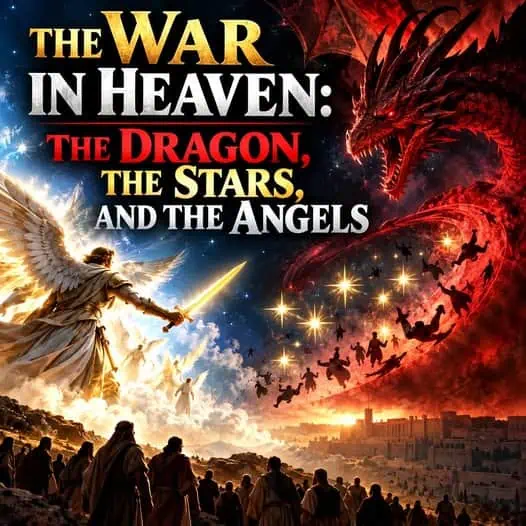
When most people read Revelation 12, they immediately picture a prehistoric battle in outer space between God’s angels and a supernatural fallen angel named Satan.
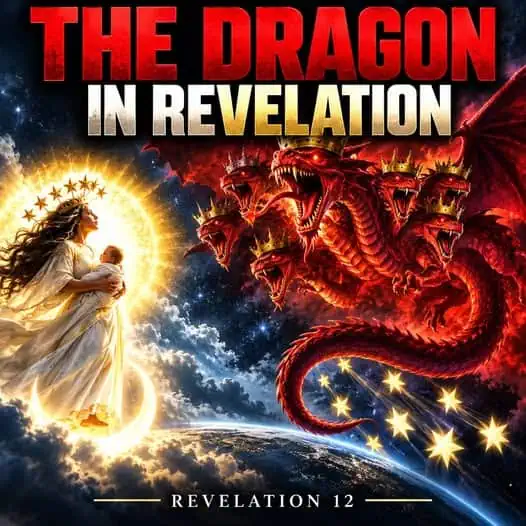
When most Christians read Revelation 12, they immediately picture a supernatural fallen angel named Satan fighting another supernatural angel named Michael somewhere beyond the visible universe.