
Kevin Coward
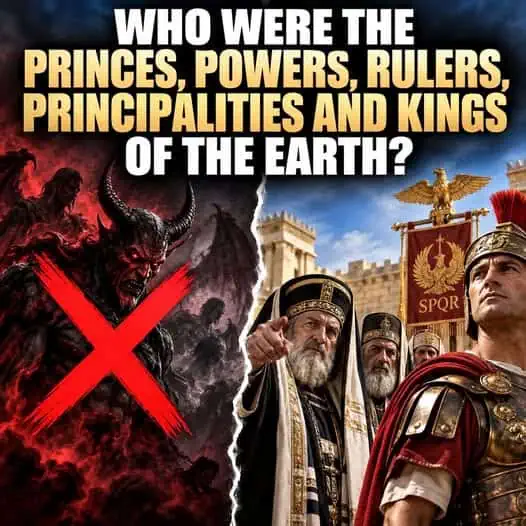
When many read words such as principalities, powers, rulers, and spiritual wickedness, they immediately think of Satan, demons, fallen angels, and invisible supernatural beings. But is that conclusion actually demanded by the text?
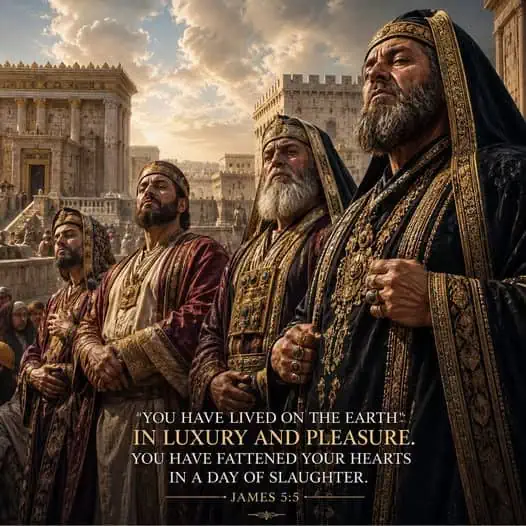
When James rebuked the rich in James 5, he was not simply giving a general warning against wealth or someone rich in our day and time as many assume.
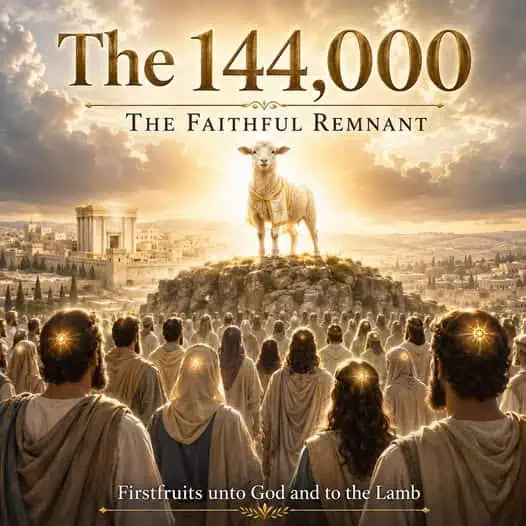
The book of Revelation is overflowing with signs, symbols, and apocalyptic imagery. Most of these writings are not meant to be taken literally.
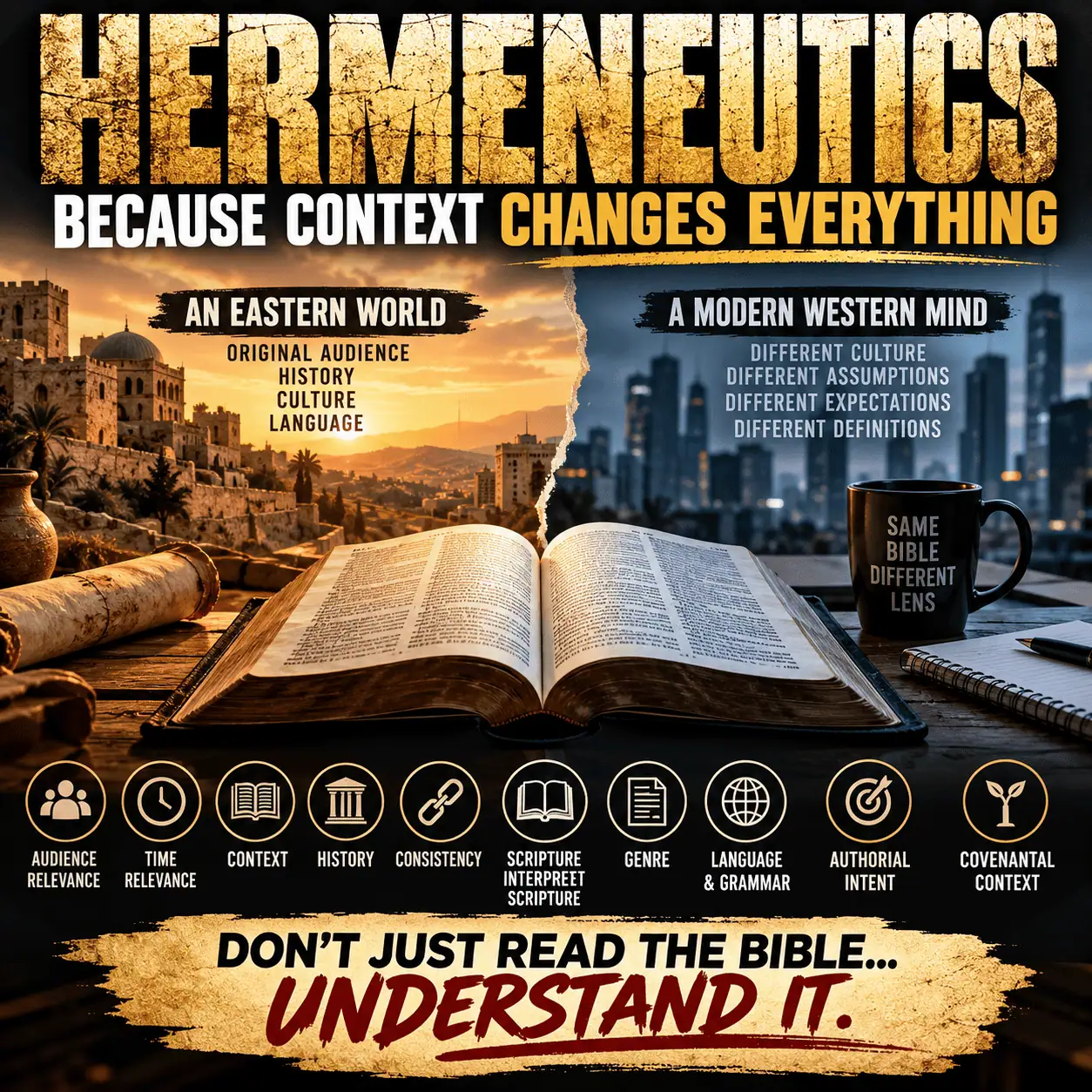
The Bible was written in an ancient Eastern and Mediterranean world, yet we often approach it with a modern Western mindset. Scripture contains history, poetry, prophecy, parables, wisdom literature, epistles, symbolism, hyperbole, prophetic imagery, and apocalyptic language.
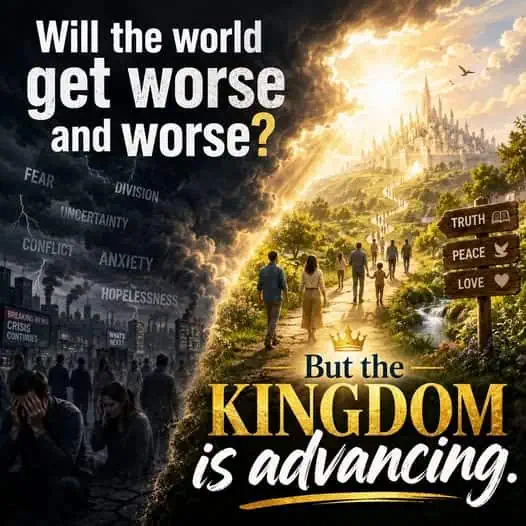
When people hear that the kingdom of God is present and advancing, they often respond, “Just look at how bad the world is. This is a very common view. They say things are getting worse and worse.”
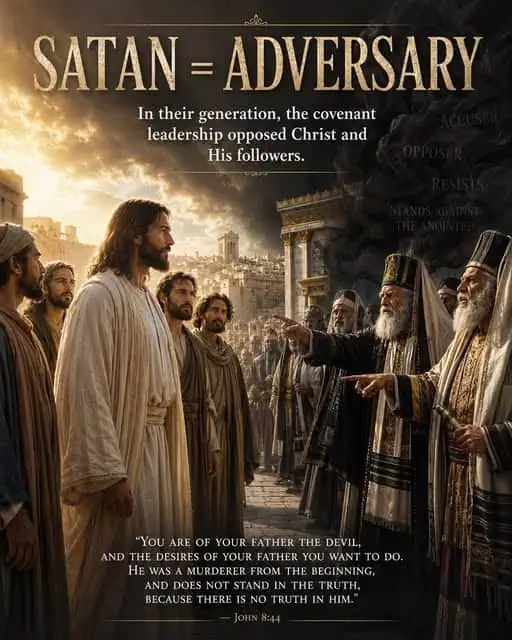
When most Christians hear the words Satan or devil, they immediately think of a supernatural fallen being. But the Bible itself gives these words a more basic meaning.
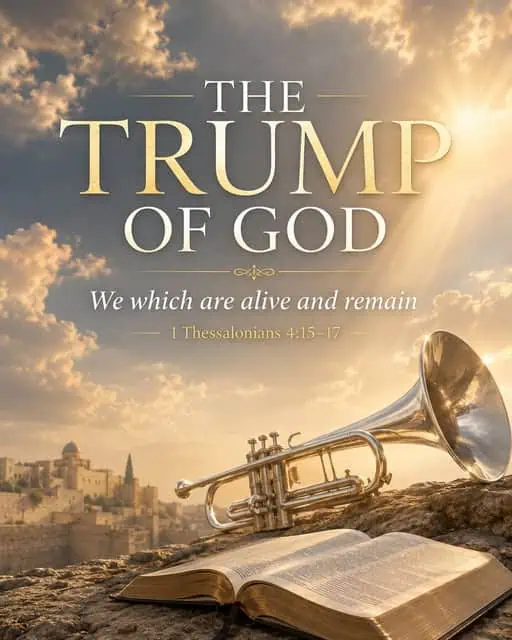
Many Christians have been taught to read themselves directly into the words “we which are alive and remain,” as though Paul were describing Christians living thousands of years later.
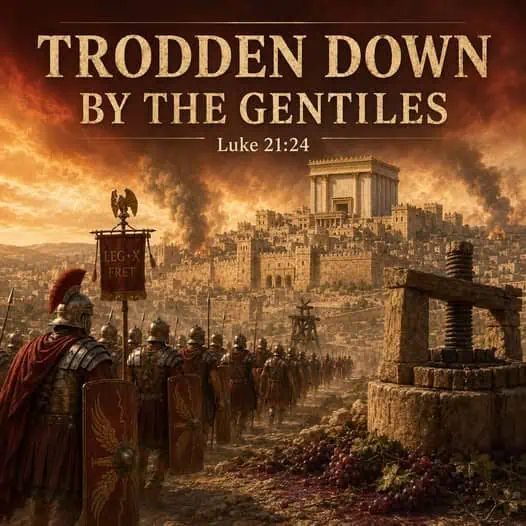
The Old Testament established the imagery of God’s vineyard, the winepress, and Jerusalem being trodden underfoot in covenant judgment.
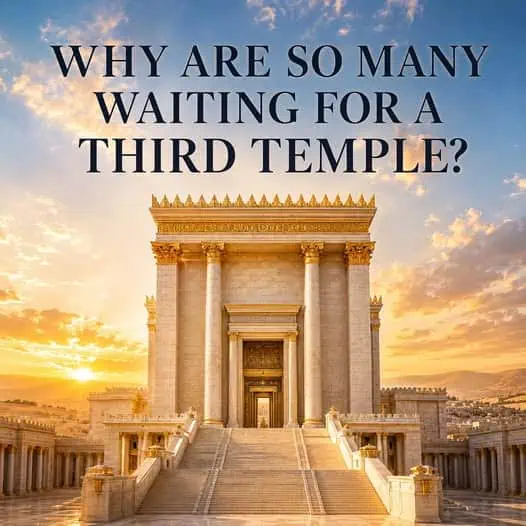
The expectation of a third temple comes largely from dispensationalism. This is the belief that God temporarily paused His dealings with Israel, established the Church, and will someday return to Israel’s Old Covenant system.
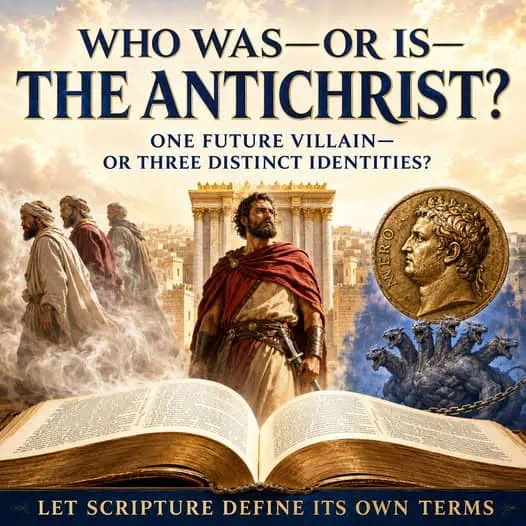
Many Christians have been taught to combine the Antichrist, the man of sin, the son of perdition, and the beast into one future world dictator. But the Bible never combines these figures.
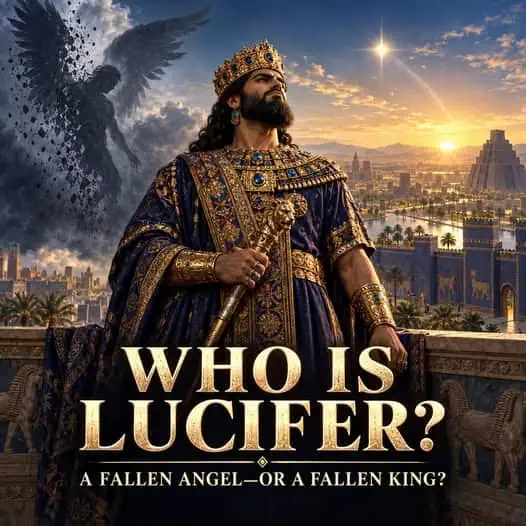
When many people hear the name “Lucifer,” they picture what religious tradition describes as Satan before his fall, a beautiful archangel, heaven’s chief musician, who became proud and was thrown out of heaven.
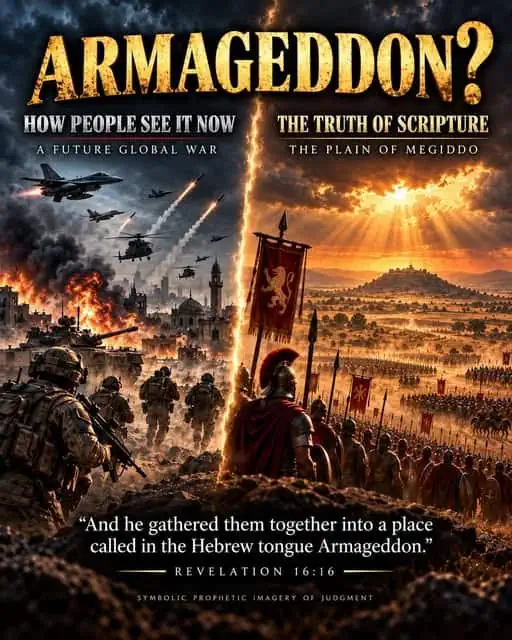
Mention the word Armageddon, and immediately many Christians picture the final battle of human history: armies from all over the modern world gathering in Israel, the Antichrist leading a massive military campaign, and Jesus physically descending from heaven to destroy them.

Every few years, it seems to happen again. A red heifer is born. Pictures begin circulating. Prophecy teachers get excited. Someone announces that the THIRD TEMPLE is getting closer.
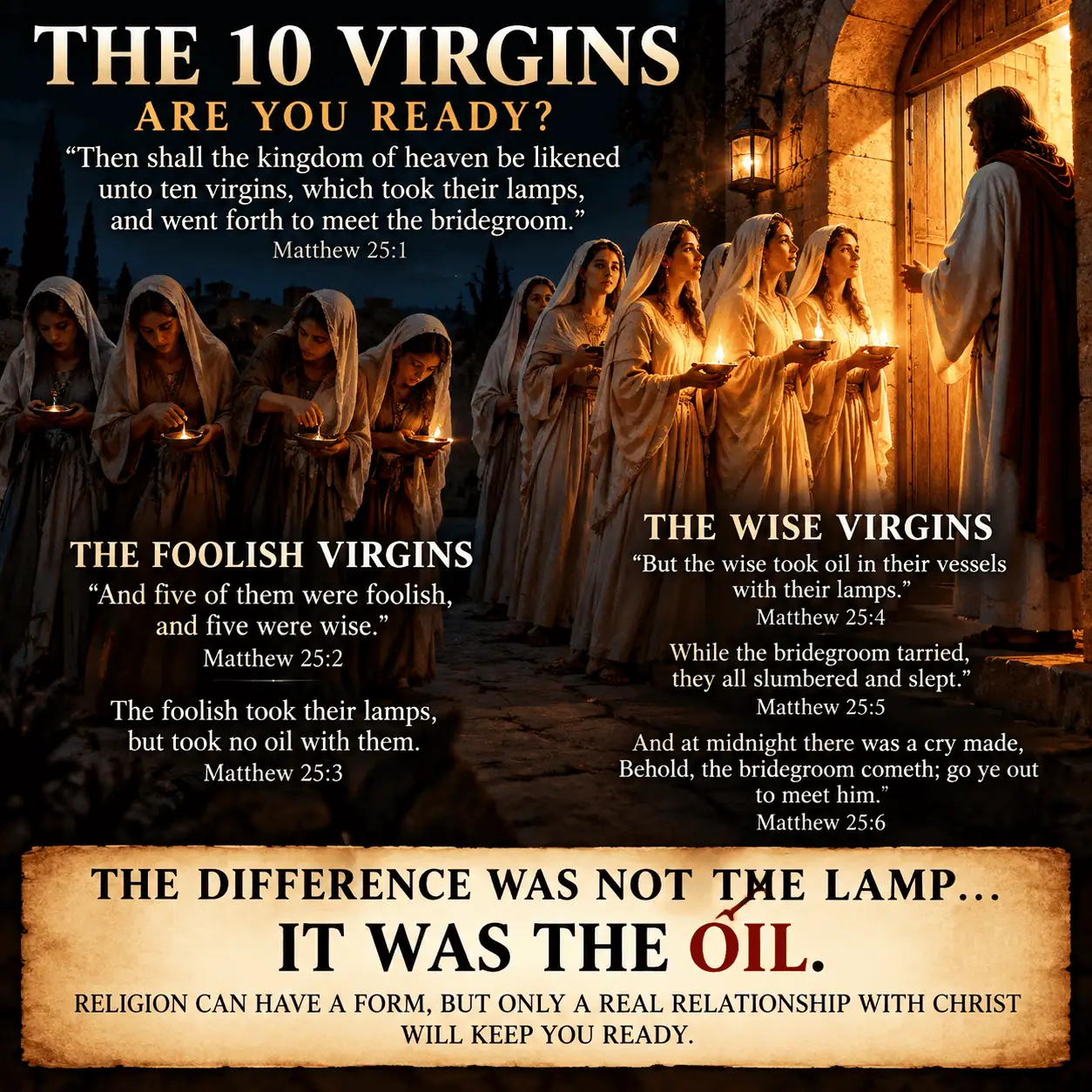
The parable of the ten virgins is one of those passages that has been pulled out of its setting for so long that many people read it as though Jesus were talking about Christians thousands of years later, waiting for a future “end of the world” event.
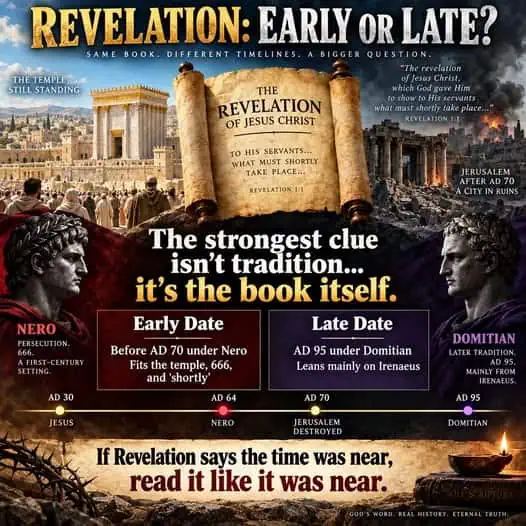
Was Revelation written around AD 95–96 under Emperor Domitian, or was it written before the destruction of Jerusalem in AD 70, during the reign of Nero?
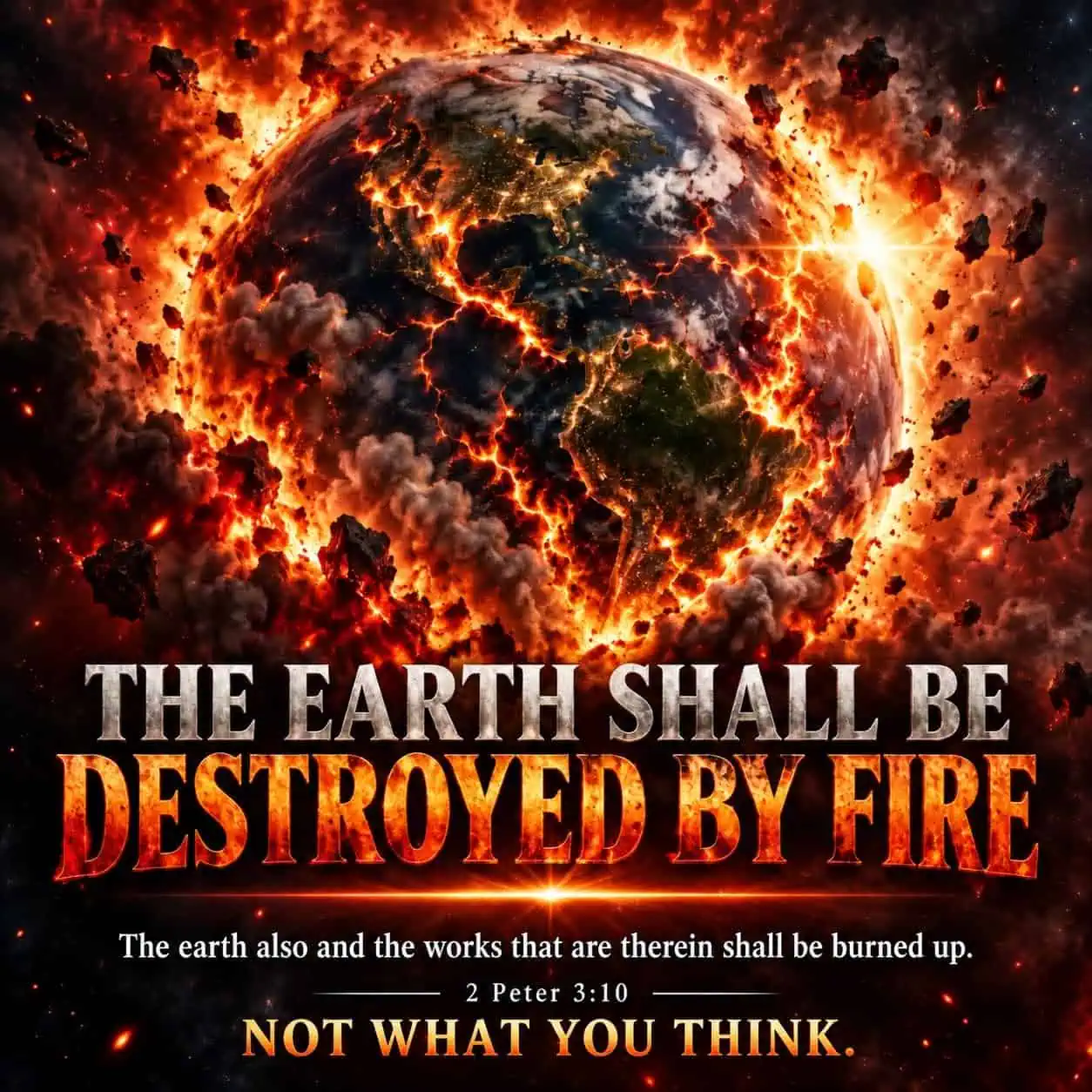
Many Christians have been taught that one day God will destroy the physical universe in a global fire. Yet when the Scriptures are read according to their historical context, original audience, covenantal language, and time statements, a different picture is revealed.