
Kevin Coward

No disrespect to John Hagee, Jewish people, or anyone else is intended in this article. This is not an attack on a man, a race, or a nation. It is a challenge to a theological teaching that has become deeply rooted in much of modern Christianity.
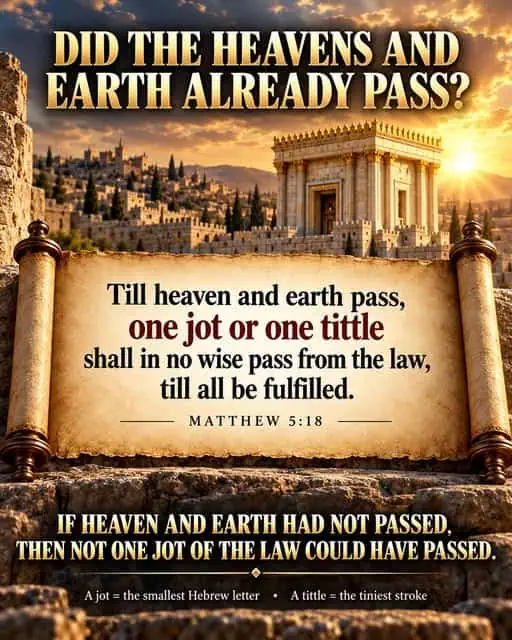
This is one of those passages we often read without stopping to consider the full weight of what Jesus actually said. Jesus connected three things together: Heaven and earth passing. Not one jot or tittle passing from the Law. All things being fulfilled.
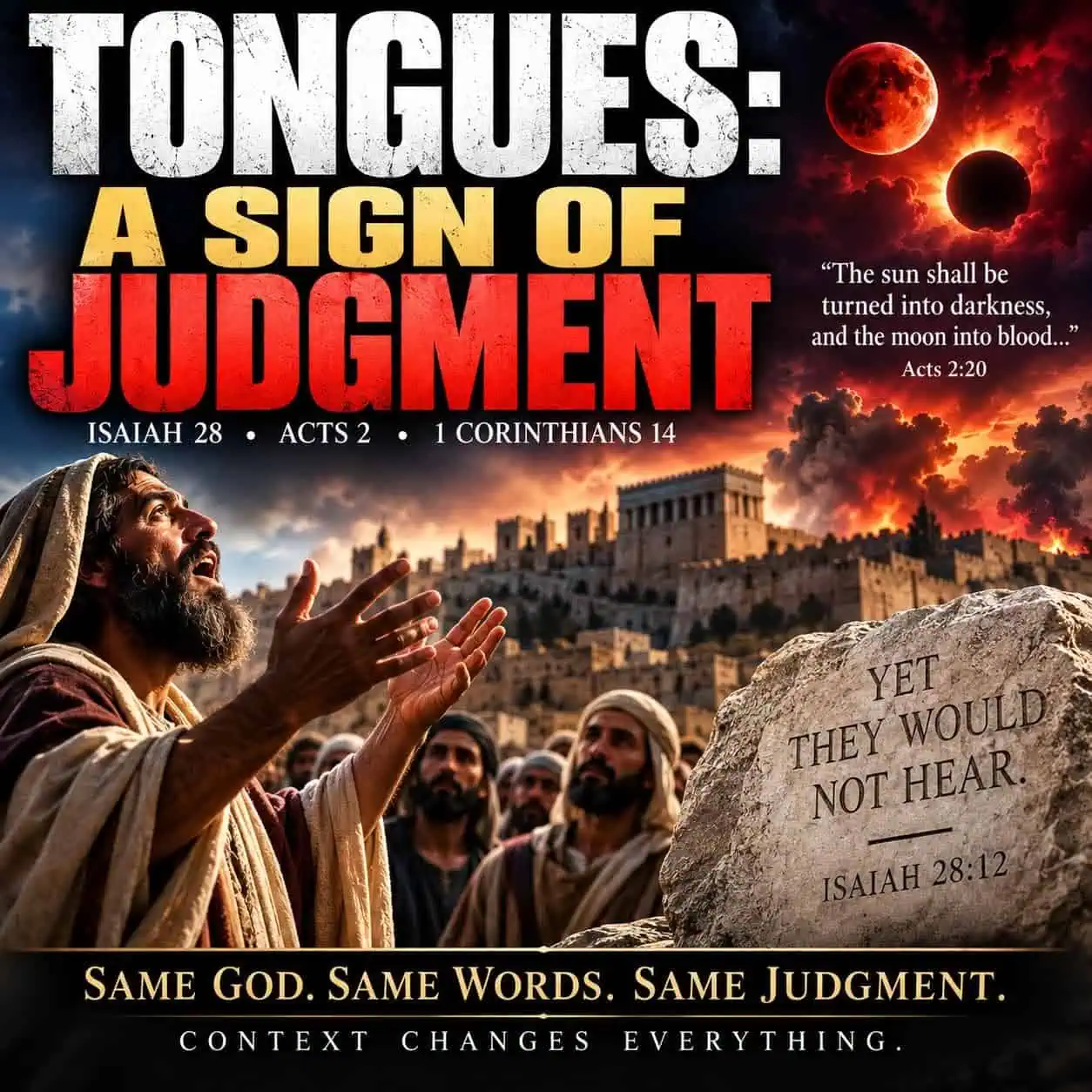
Something about tongues we never hear in the modern church today. Most never knew what the day of Pentecost and tongues were actually a “sign” for and to whom the “sign” was to.
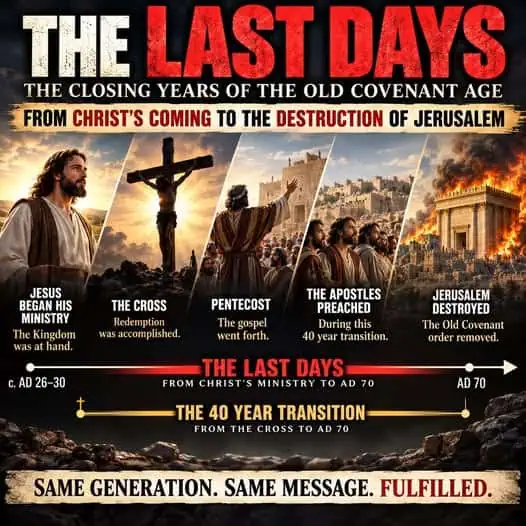
When most people hear the words “the last days,” their minds immediately jump to our generation. Wars. Earthquakes. Political turmoil. Moral decline. Israel. Technology. A coming Antichrist. A rebuilt temple. The end of the world.
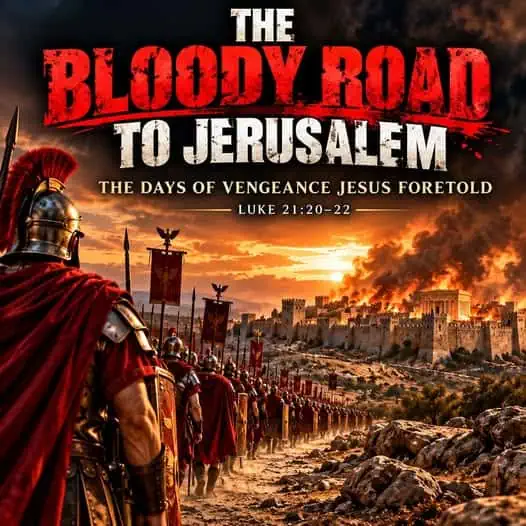
When Jesus warned His disciples about Jerusalem being surrounded by armies, He was describing a catastrophe that would engulf far more than the city walls of Jerusalem.
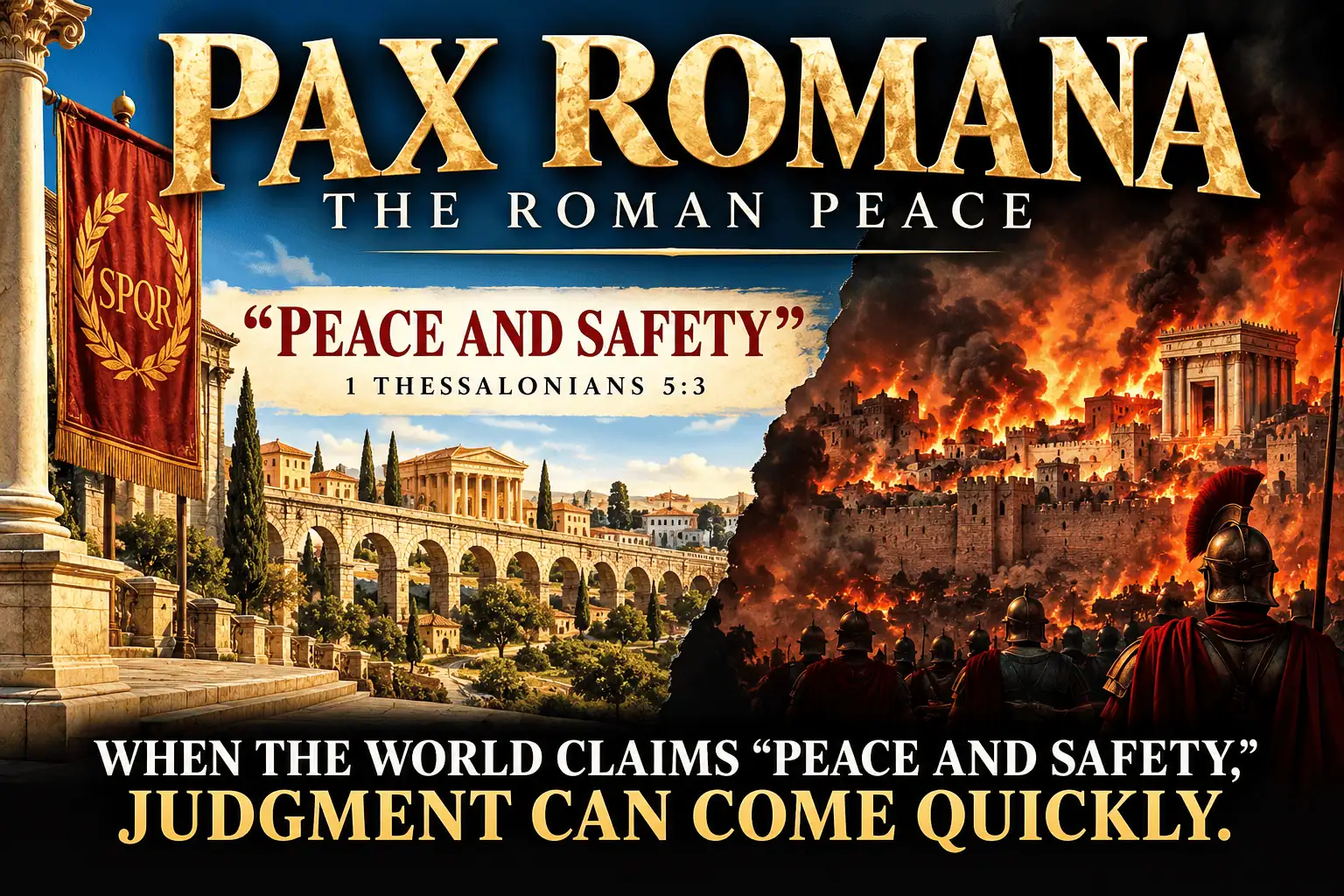
When Paul wrote to the Thessalonians, he was writing during the era historians call the Pax Romana, the Roman Peace.
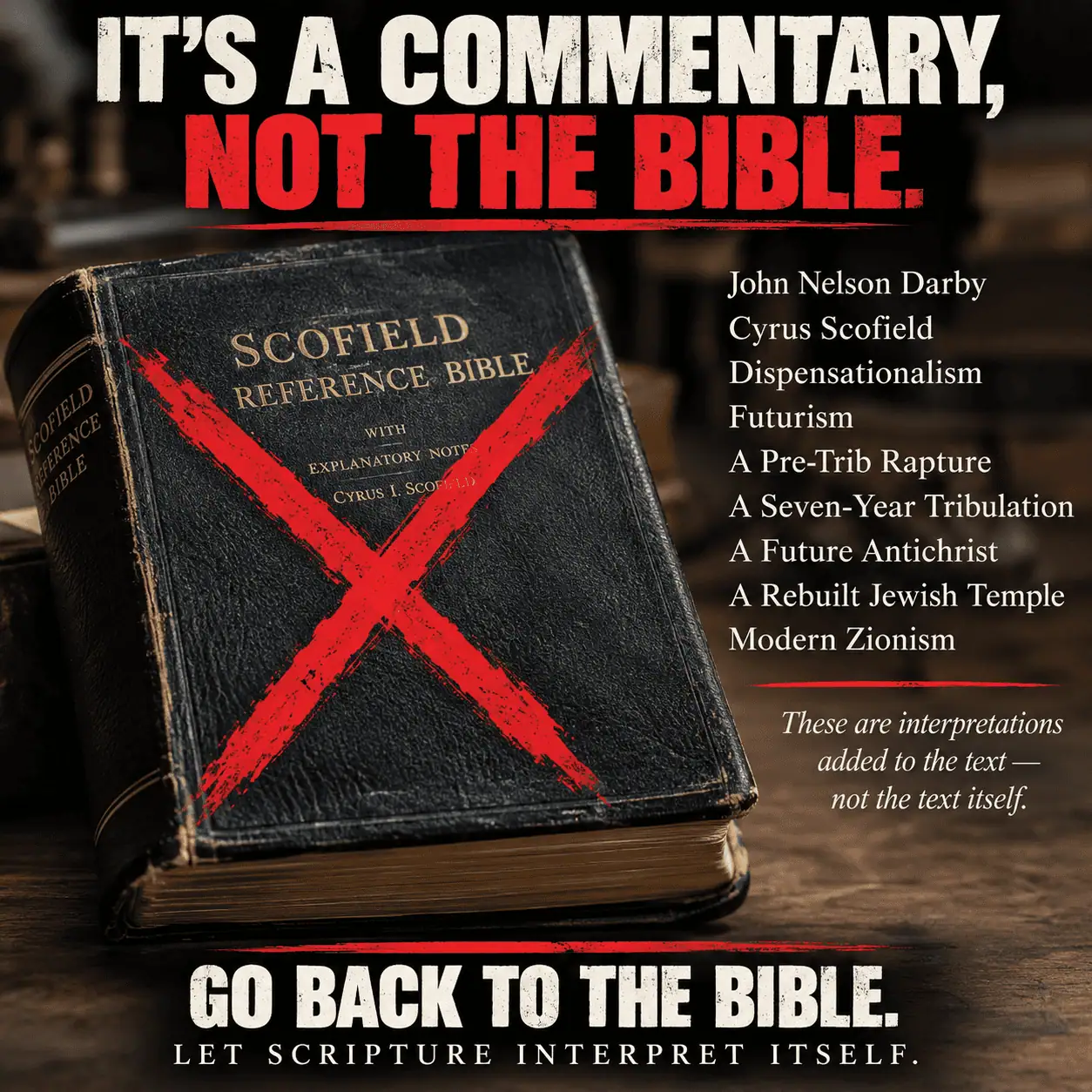
In 1909, Oxford University Press published the first Scofield Reference Bible. A revised edition followed in 1917.
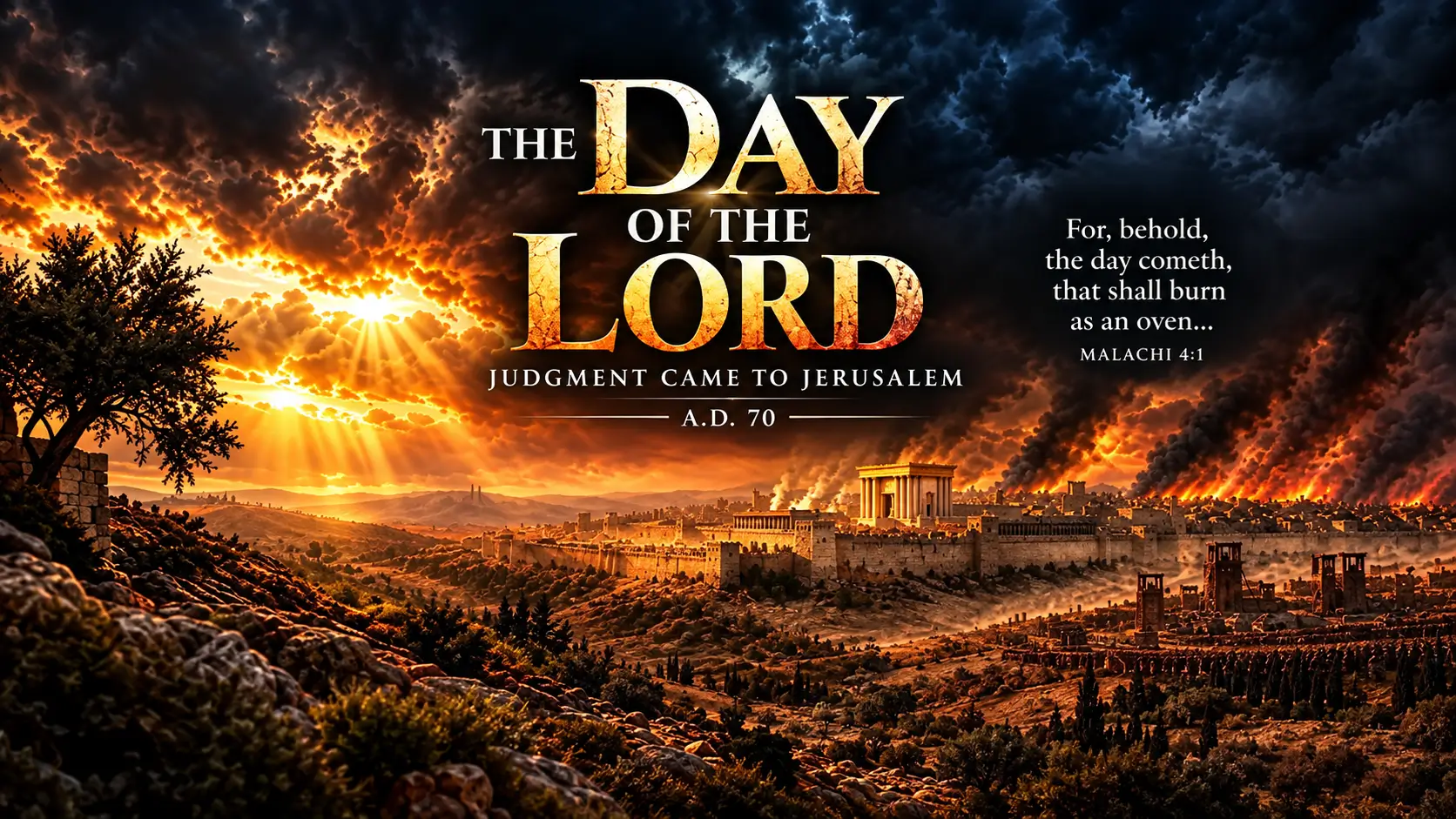
When most Christians hear the phrase “the Day of the Lord,” their minds immediately go thousands of years beyond the New Testament into our future.
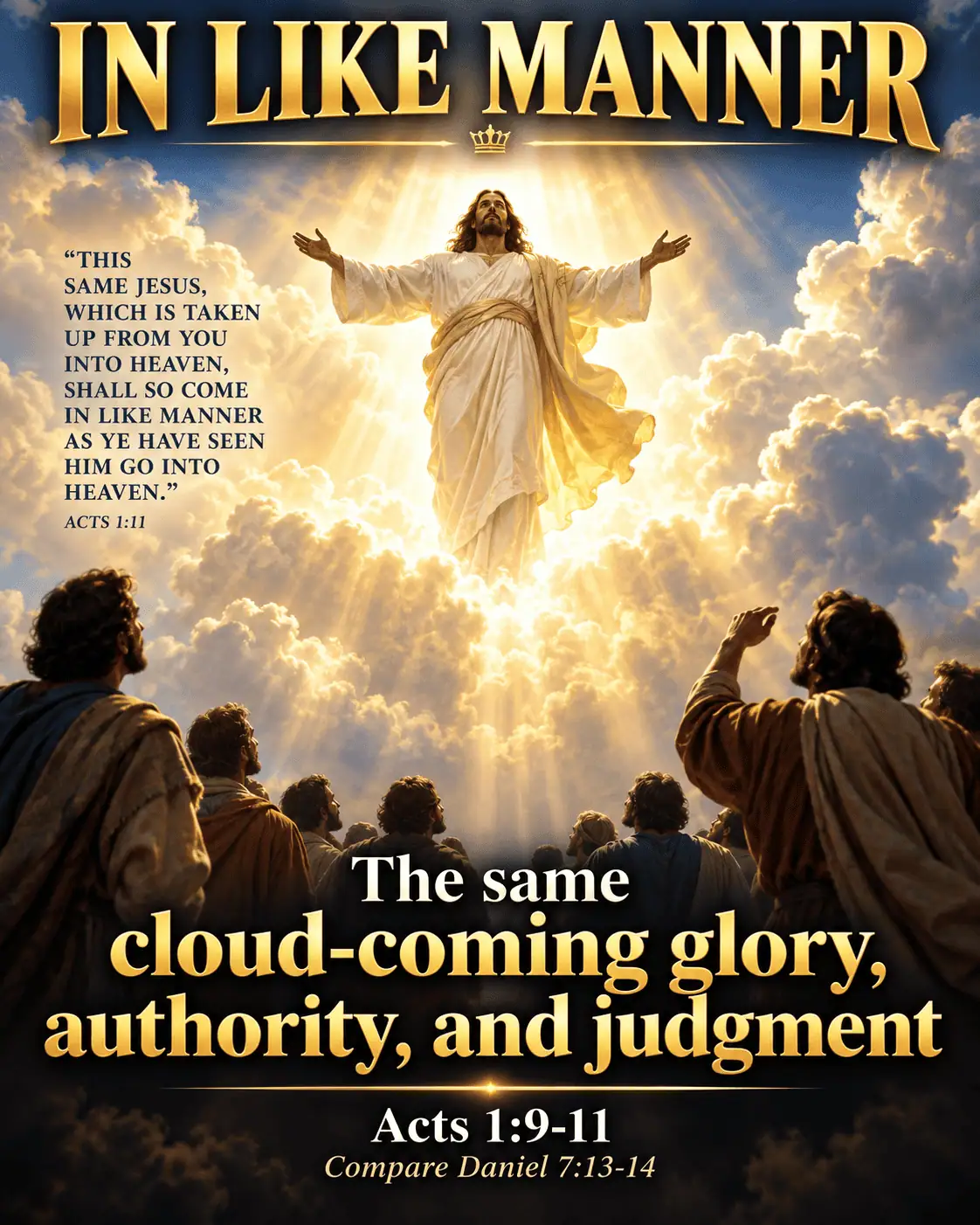
One of the most common passages used to teach a future physical return of Jesus to the earth is Acts 1:11.
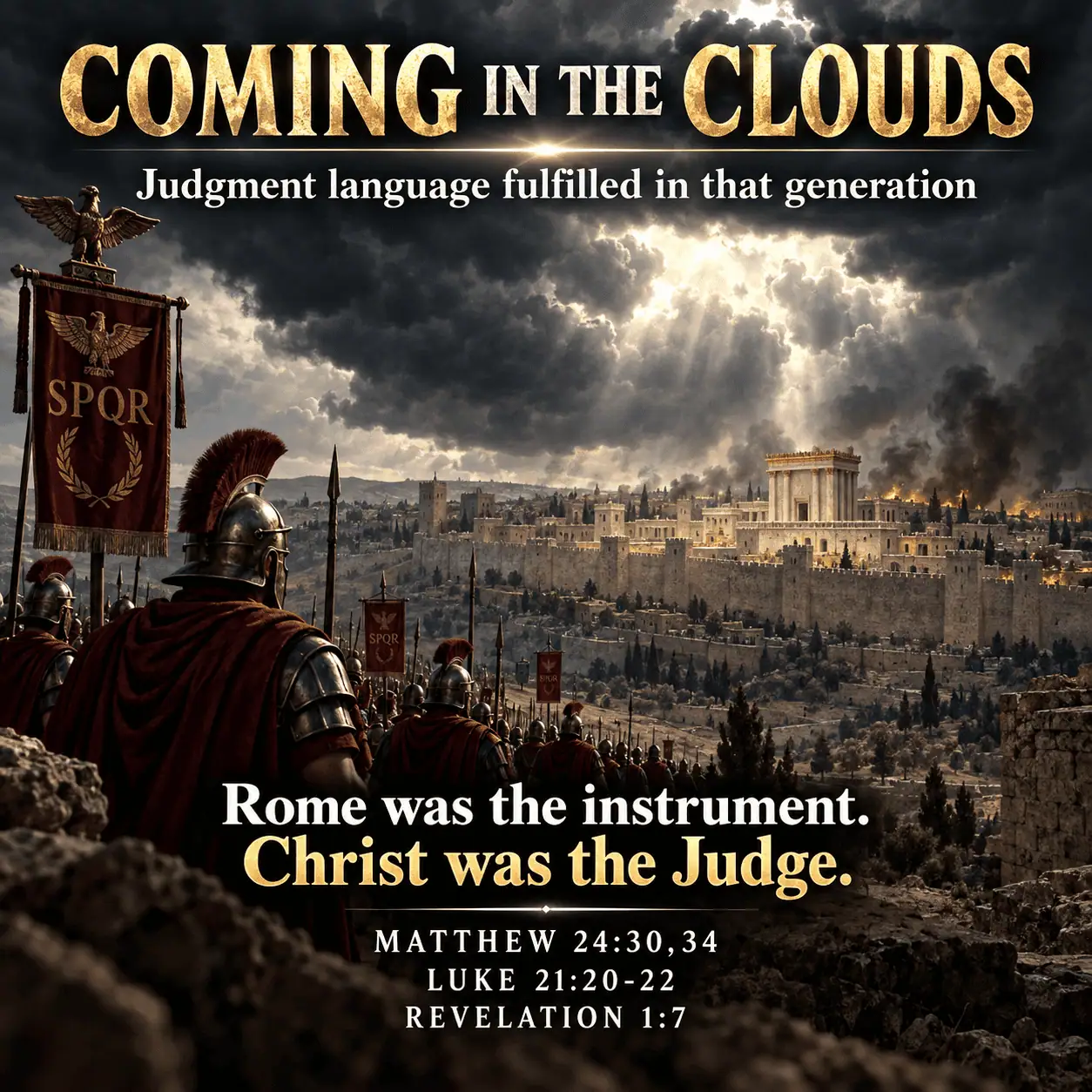
When we read about Christ “coming in the clouds,” we should first ask how the Bible had already used that language.
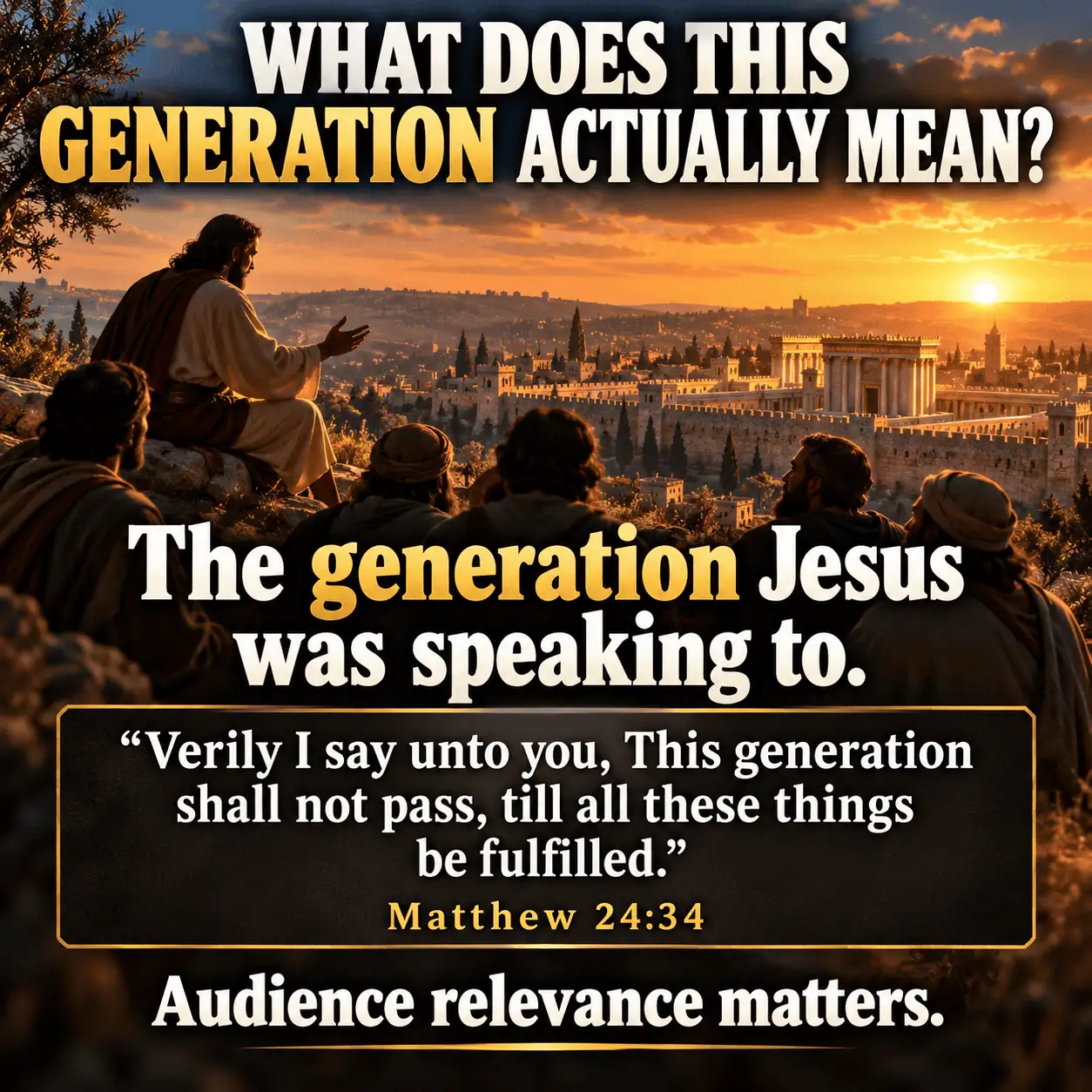
One of the most important rules of Bible interpretation is to ask, Who was Jesus speaking to?
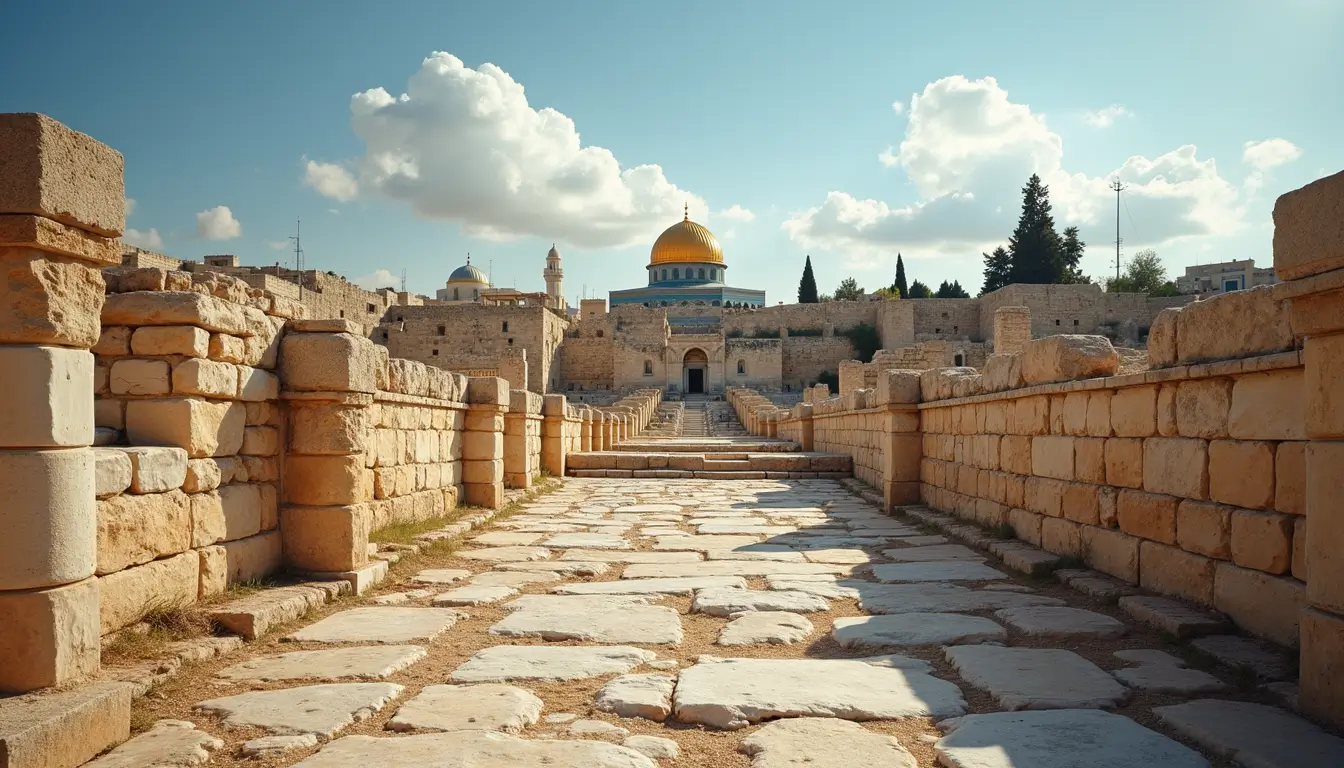
The year AD 70 marks a significant turning point in biblical prophecy and its interpretation.

Eschatology, the study of end times and ultimate destinies, has been a significant aspect of theological discourse throughout history.

Understanding the Kingdom of God is a profound journey that transcends time and culture.