
Revelation
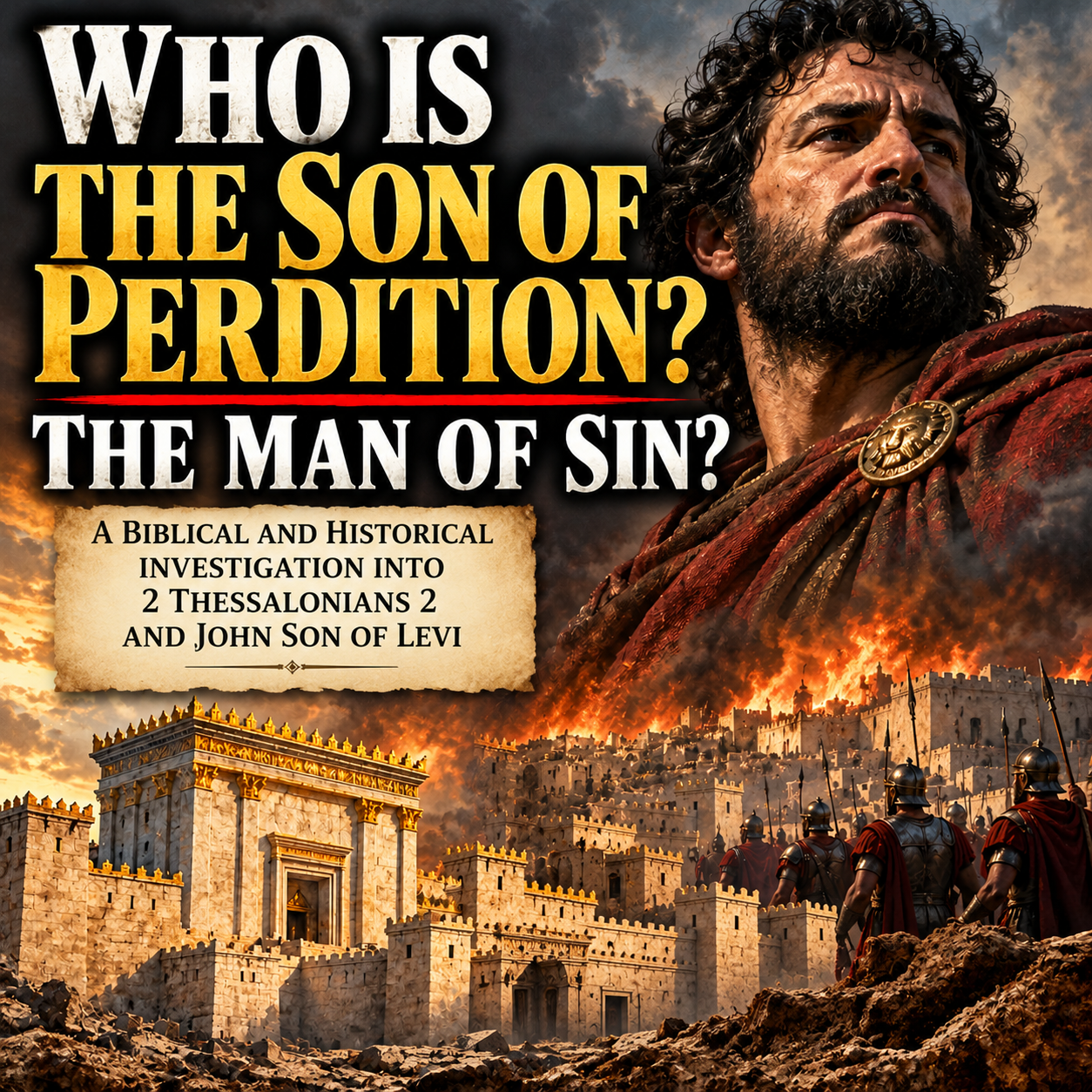
For generations, the man of sin and son of perdition in 2 Thessalonians 2 has been portrayed as a future world ruler. But what if Paul was describing someone connected to the events leading to Jerusalem’s destruction in AD 70? Could John son of Levi, also known as John of Gischala, be the man Paul warned about? By examining Scripture, Greek word meanings, and the historical writings of Josephus, we uncover a compelling first-century connection between the man of sin, the Temple, and the coming of Christ in judgment.
When many people read Revelation 21, they immediately picture the destruction of planet Earth followed by God creating another physical universe. But Revelation was not written in a vacuum.
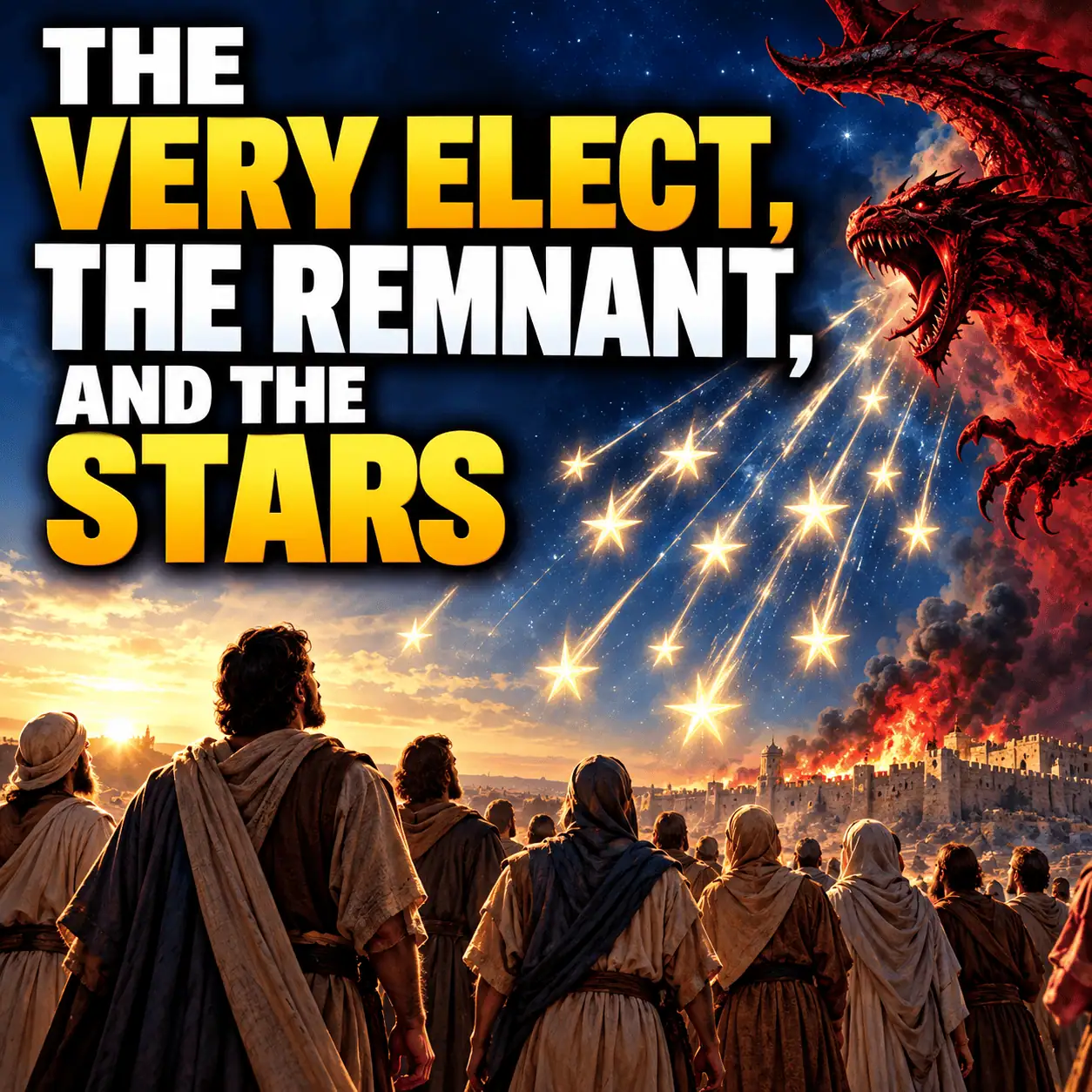
One of the most familiar interpretations of Revelation 12 is that the dragon drawing a third of the stars from heaven describes Satan taking one third of the angels with him in some prehistoric rebellion. But there is a serious problem with beginning there: Revelation never says these stars are fallen angels.
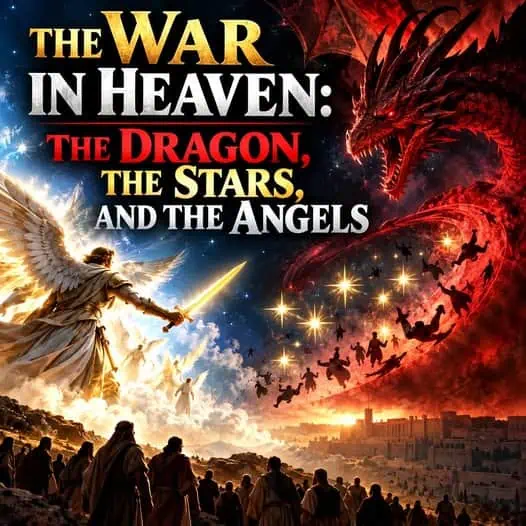
When most people read Revelation 12, they immediately picture a prehistoric battle in outer space between God’s angels and a supernatural fallen angel named Satan.
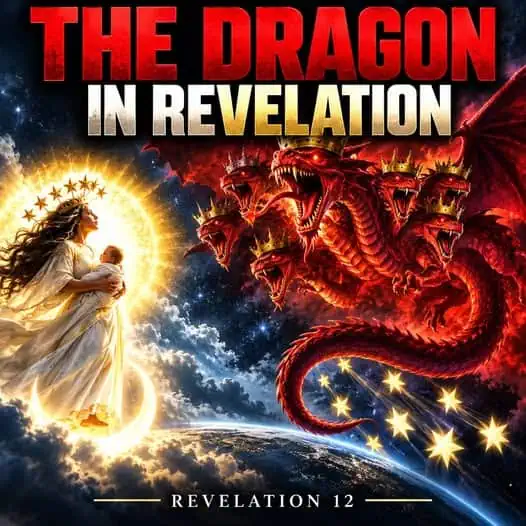
When most Christians read Revelation 12, they immediately picture a supernatural fallen angel named Satan fighting another supernatural angel named Michael somewhere beyond the visible universe.
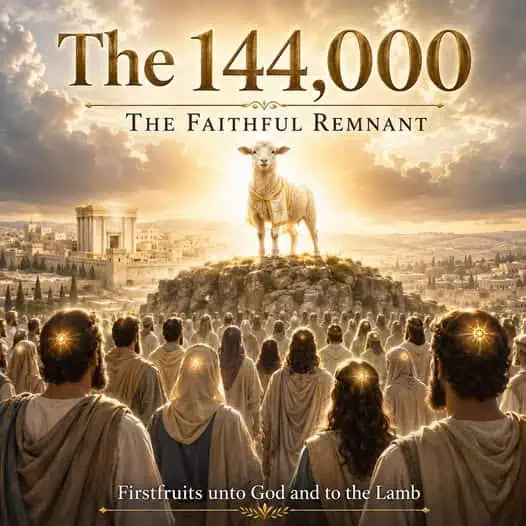
The book of Revelation is overflowing with signs, symbols, and apocalyptic imagery. Most of these writings are not meant to be taken literally.
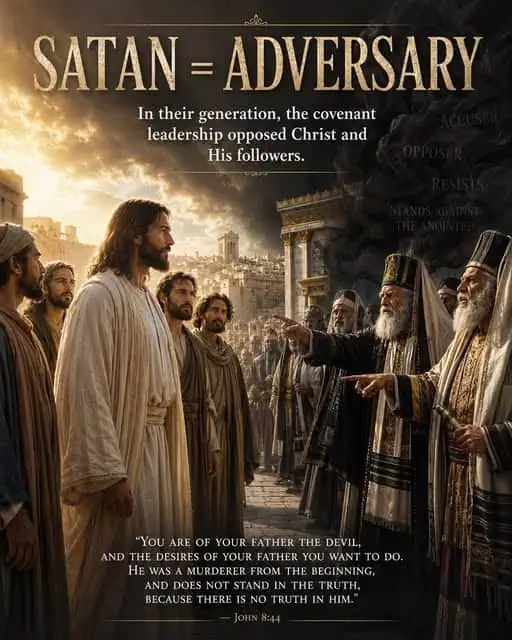
When most Christians hear the words Satan or devil, they immediately think of a supernatural fallen being. But the Bible itself gives these words a more basic meaning.
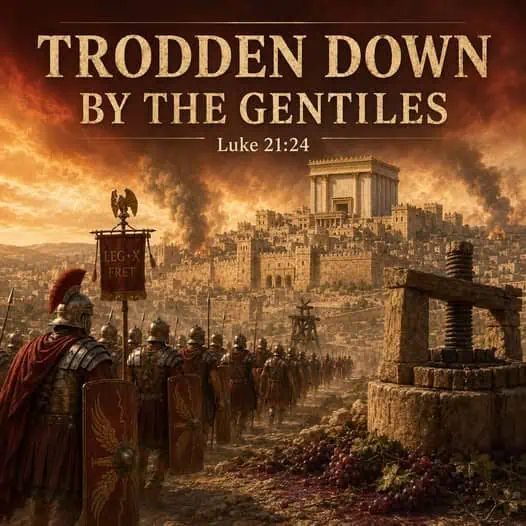
The Old Testament established the imagery of God’s vineyard, the winepress, and Jerusalem being trodden underfoot in covenant judgment.
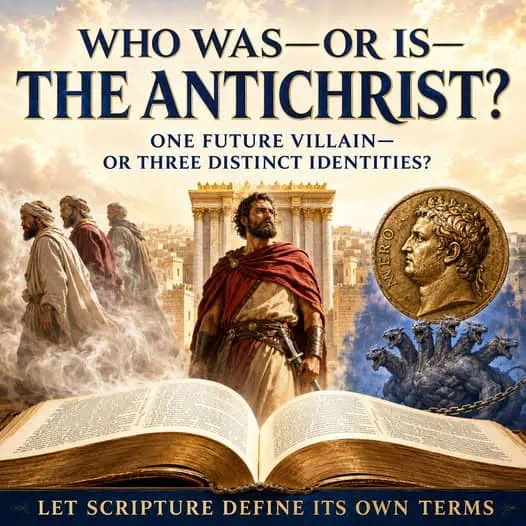
Many Christians have been taught to combine the Antichrist, the man of sin, the son of perdition, and the beast into one future world dictator. But the Bible never combines these figures.
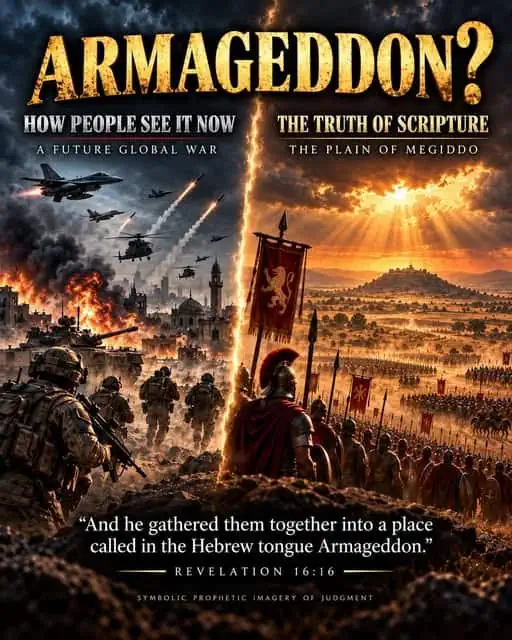
Mention the word Armageddon, and immediately many Christians picture the final battle of human history: armies from all over the modern world gathering in Israel, the Antichrist leading a massive military campaign, and Jesus physically descending from heaven to destroy them.
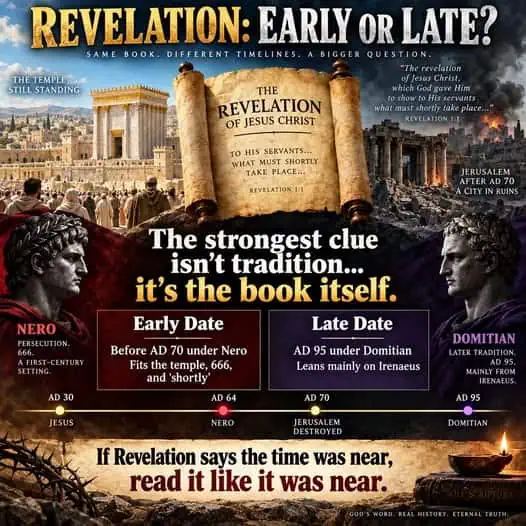
Was Revelation written around AD 95–96 under Emperor Domitian, or was it written before the destruction of Jerusalem in AD 70, during the reign of Nero?