
The Day Of The Lord
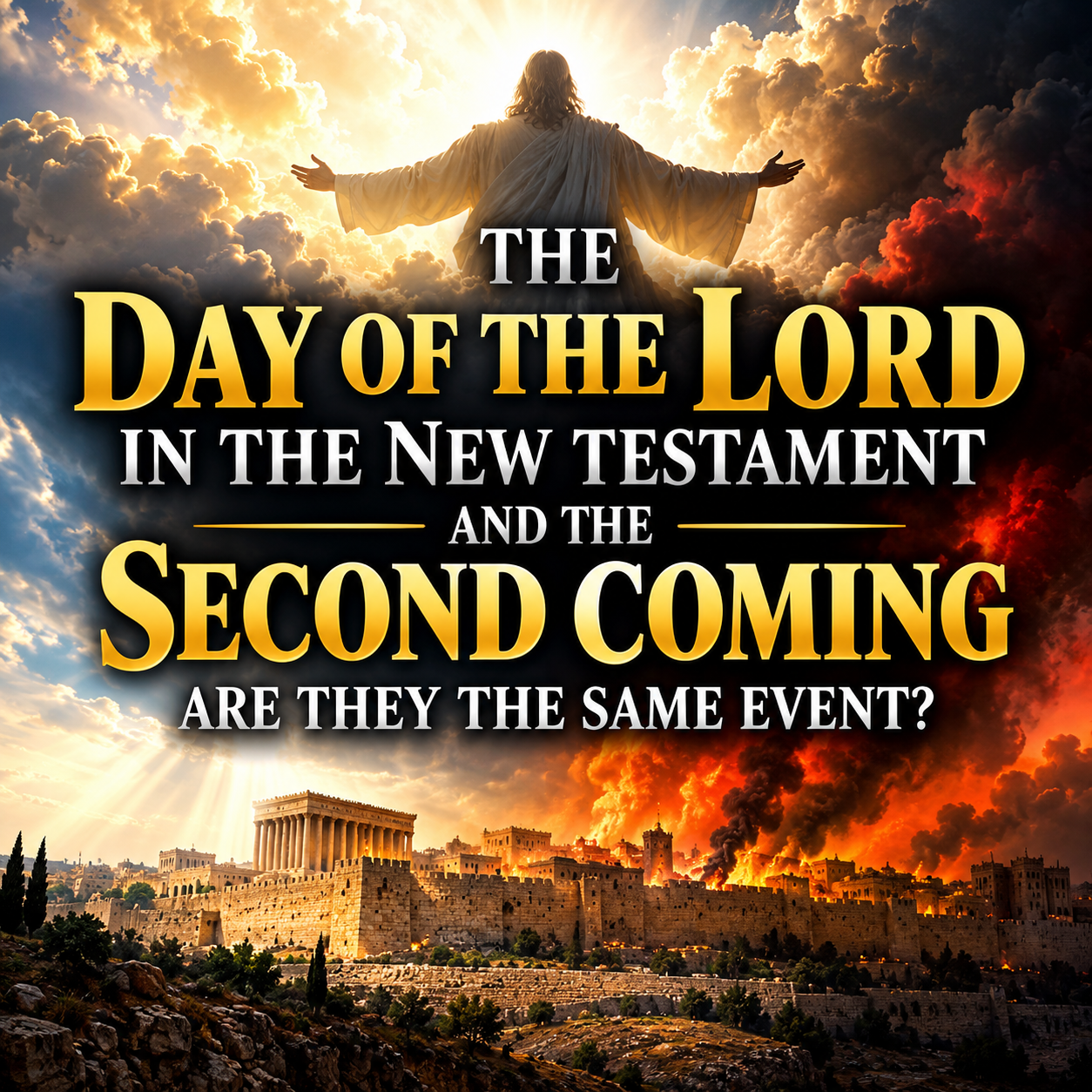
Are the Day of the Lord and the Second Coming of Christ two separate events, or were Jesus and the apostles describing the same approaching judgment? By examining the prophetic language of the Old Testament alongside the teachings of Jesus, Paul, Peter, and John, we discover a remarkable connection. Could these passages be pointing to one climactic fulfillment in AD 70, when Jerusalem was judged and the old covenant age came to an end?

The last days were not the final days of planet Earth, but the closing days of the Old Covenant age.
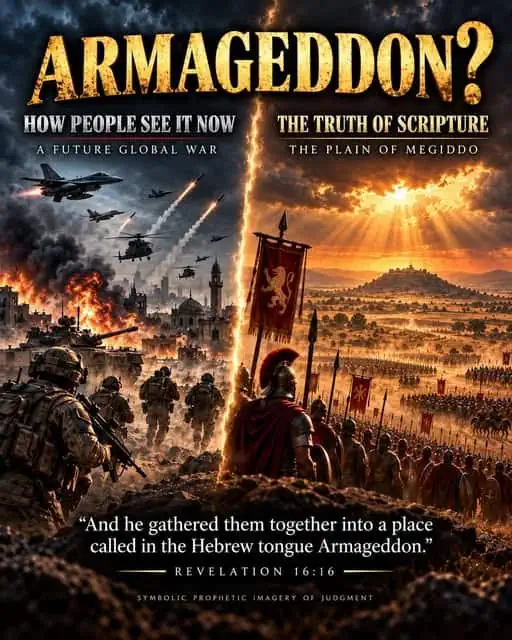
Mention the word Armageddon, and immediately many Christians picture the final battle of human history: armies from all over the modern world gathering in Israel, the Antichrist leading a massive military campaign, and Jesus physically descending from heaven to destroy them.
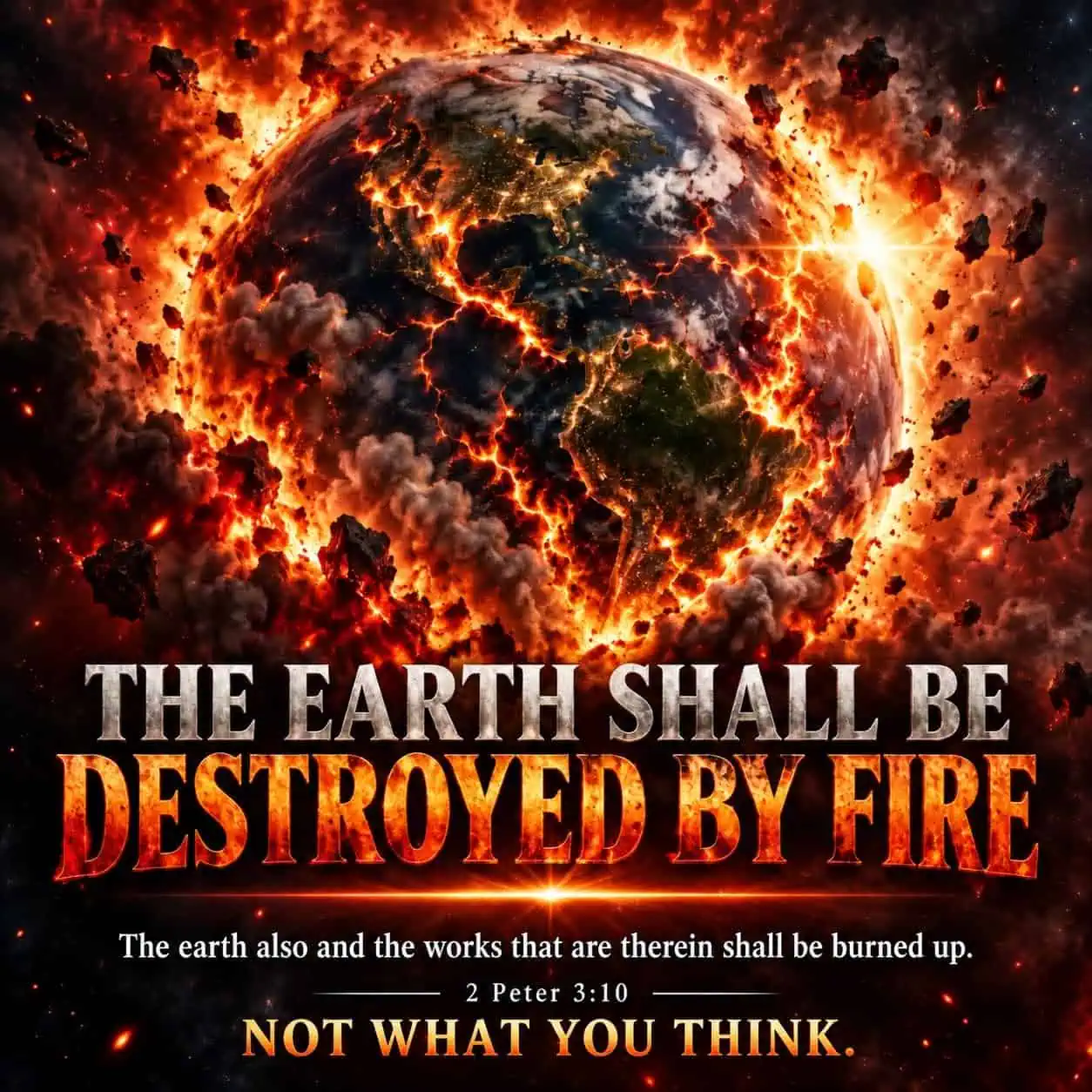
Many Christians have been taught that one day God will destroy the physical universe in a global fire. Yet when the Scriptures are read according to their historical context, original audience, covenantal language, and time statements, a different picture is revealed.
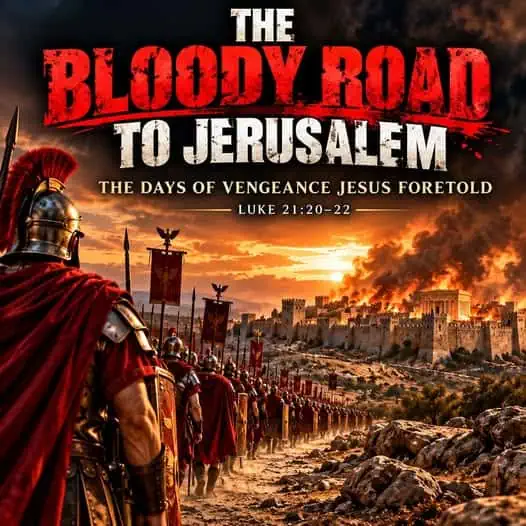
When Jesus warned His disciples about Jerusalem being surrounded by armies, He was describing a catastrophe that would engulf far more than the city walls of Jerusalem.
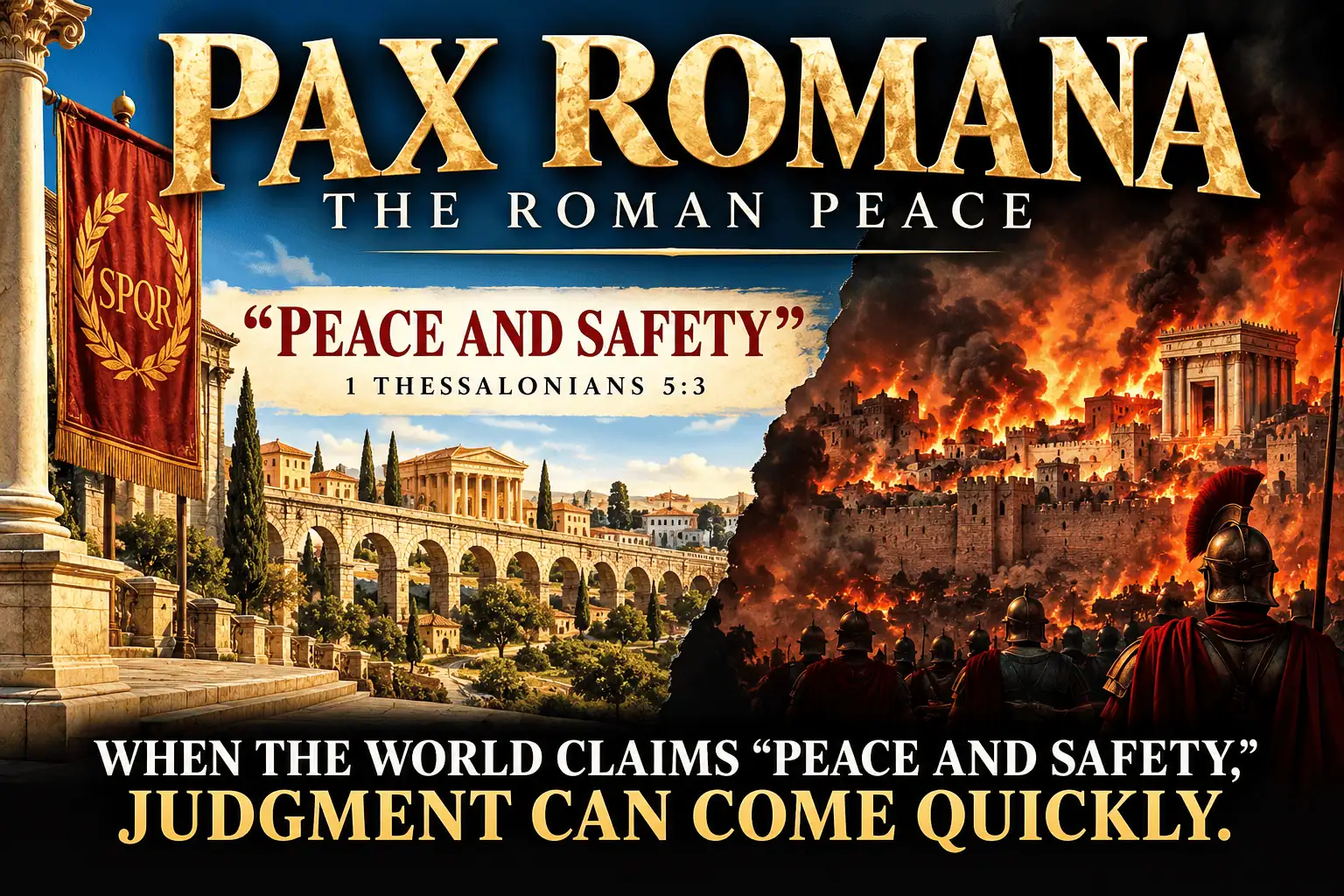
When Paul wrote to the Thessalonians, he was writing during the era historians call the Pax Romana, the Roman Peace.
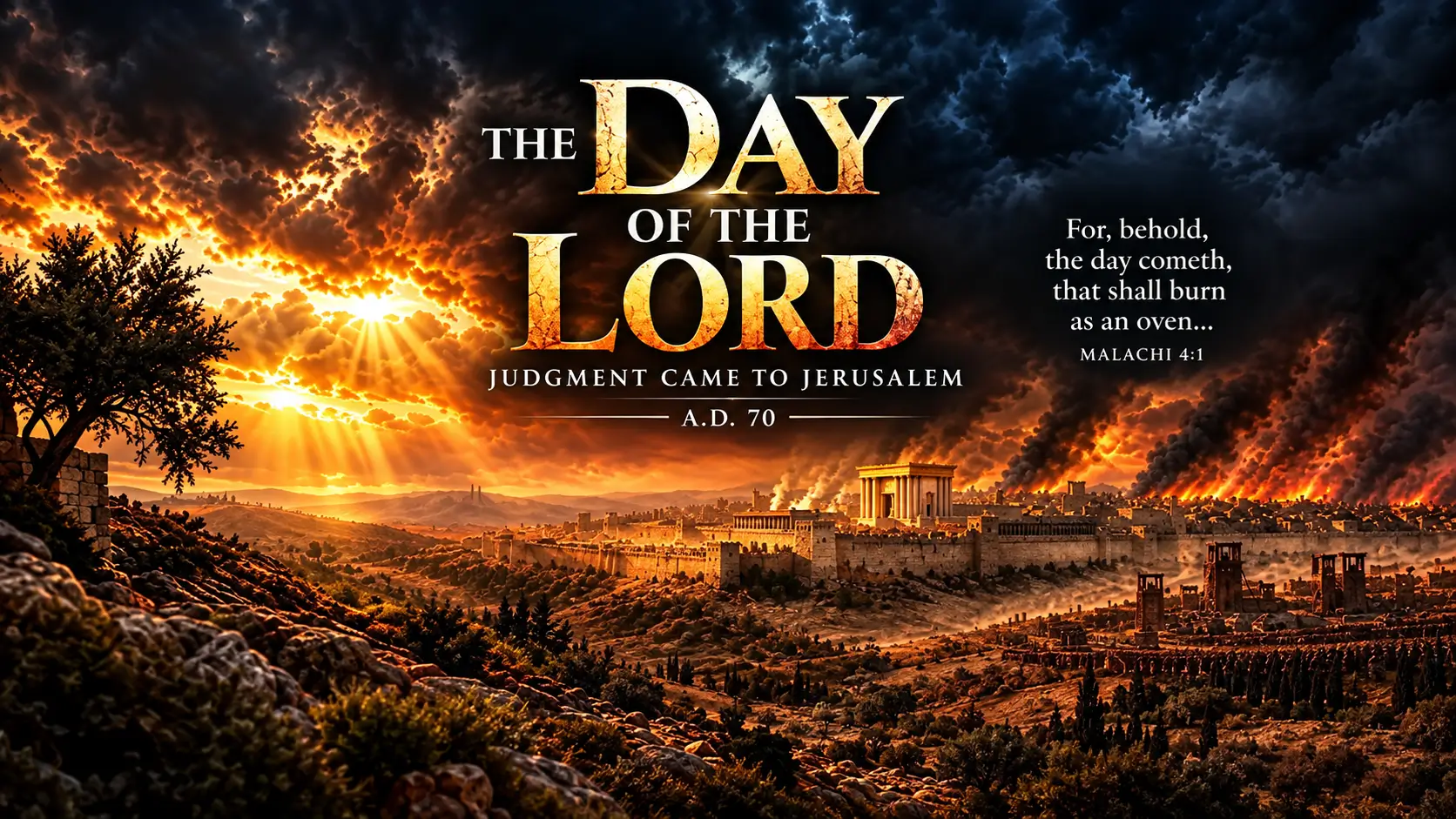
When most Christians hear the phrase “the Day of the Lord,” their minds immediately go thousands of years beyond the New Testament into our future.