
Galatians

Is the kingdom of God a place we go after death, or a present reality we inherit through faith in Jesus Christ? Scripture reveals that the kingdom was being received during the first-century transition from the Old Covenant to the New. When Paul declared that flesh and blood could not inherit the kingdom, was he speaking of physical death or covenantal inheritance? Discover how natural ancestry, the Mosaic Law, and the works of the flesh relate to God’s promise, and why righteousness through faith, not human behavior or religious heritage, establishes our inheritance in Christ.

I have watched people come in, listen, ask questions, and genuinely become excited about what they were learning. I have watched them wrestle with passages they had always been taught belonged to our future and begin seeing those passages in their first-century context.
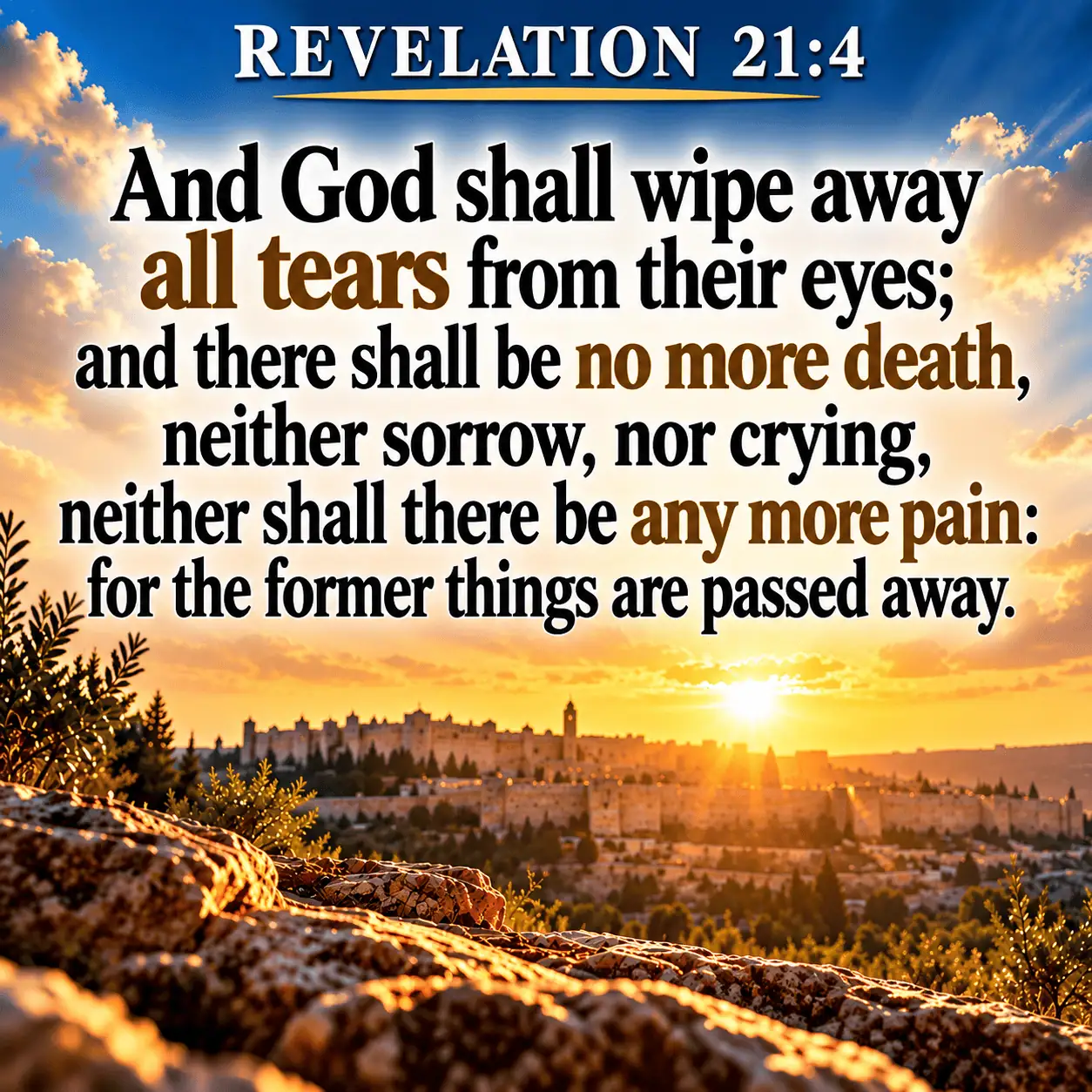
When many people read Revelation 21, they immediately picture the destruction of planet Earth followed by God creating another physical universe. But Revelation was not written in a vacuum.
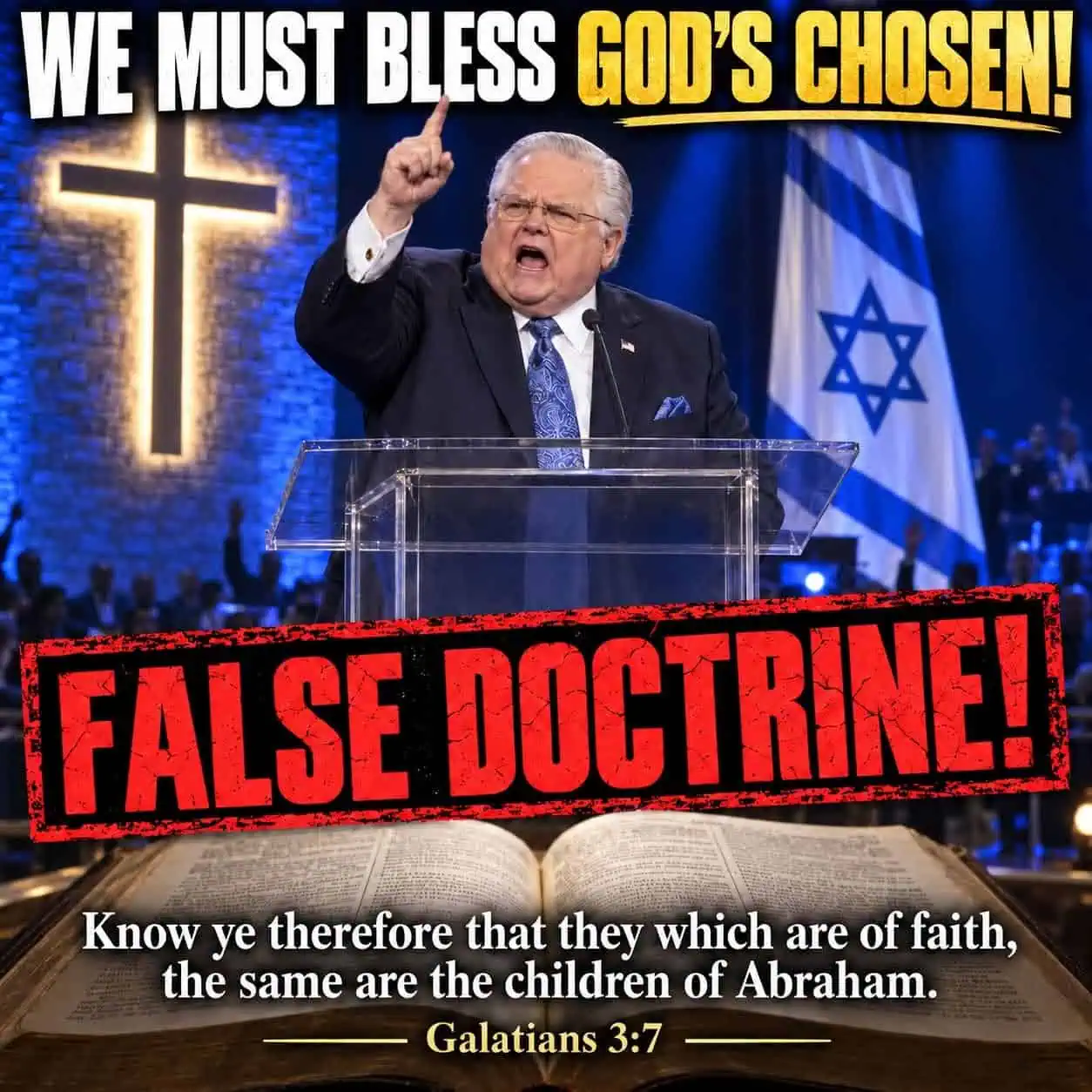
No disrespect to John Hagee, Jewish people, or anyone else is intended in this article. This is not an attack on a man, a race, or a nation. It is a challenge to a theological teaching that has become deeply rooted in much of modern Christianity.